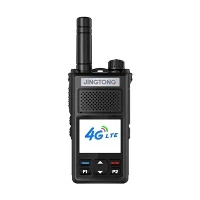

Do analog handheld radios need a license? Well, that's a question I get asked a lot as a supplier of Analog Handheld Radios. Let's dig into this topic and find out the ins and outs.
First off, it's important to understand that the need for a license for analog handheld radios depends on a few factors. The type of radio, the frequency it operates on, and the country or region you're in all play a role.


In many countries, there are specific frequencies that are allocated for amateur radio use. These frequencies are often regulated by government agencies to ensure that there's no interference and that everyone can use the airwaves safely and effectively. If you're using an analog handheld radio on these amateur frequencies, you'll typically need to have a license.
For example, in the United States, the Federal Communications Commission (FCC) regulates amateur radio. To operate an analog handheld radio on amateur frequencies, you need to pass an exam and obtain an amateur radio license. This license allows you to use the radio within the rules and regulations set by the FCC.
But not all analog handheld radios require a license. There are some frequencies that are designated for general public use, like the Family Radio Service (FRS) and the General Mobile Radio Service (GMRS) in the US. These frequencies are intended for short - range communication, like between family members or in a small business setting. Radios that operate on these frequencies usually don't need a license, although there are some limitations on power output and usage.
Let's talk about the benefits of having a licensed analog handheld radio. If you have a license, you have access to a wider range of frequencies and more power. This means you can communicate over longer distances and in more challenging environments. For example, if you're into outdoor activities like hiking or camping, a licensed analog handheld radio can be a great safety tool. You can stay in touch with your group and call for help if needed.
On the other hand, if you don't need long - range communication and just want to use the radio for short - range purposes, an unlicensed radio might be sufficient. They're often more convenient and easier to use, especially for casual users.
Now, let's take a look at some of the different types of analog handheld radios available. One popular option is the Best Analog Ham Radio. These radios are designed for amateur radio enthusiasts and offer a high level of performance. They usually have a wide range of frequencies and features, like adjustable power output and multiple channels.
Another option is the Analogue Ham Radio. This type of radio is also focused on the amateur radio market and provides reliable communication. It's a great choice for those who are serious about their radio hobby.
If you need a bit more power, the 10 Watt Ham Radio might be the right option for you. With 10 watts of power, it can transmit over longer distances and is suitable for more demanding applications.
As a supplier of Analog Handheld Radios, I've seen firsthand the different needs of our customers. Some are just looking for a simple, unlicensed radio for occasional use, while others are serious radio enthusiasts who want a high - performance, licensed radio.
We offer a wide range of analog handheld radios to meet these different needs. Whether you're a beginner or an experienced radio operator, we have a radio that's right for you. Our radios are known for their quality, reliability, and performance.
If you're interested in purchasing an analog handheld radio, we'd love to have a chat with you. We can help you figure out which radio is the best fit for your needs, whether you need a license or not. We can also provide you with all the information you need about the radio, including its features, specifications, and how to use it.
So, if you're in the market for an analog handheld radio, don't hesitate to reach out. We're here to make the process as easy and stress - free as possible. Let's find the perfect radio for you and get you communicating!
References:
- Federal Communications Commission (FCC) regulations on amateur radio
- Industry standards and guidelines for analog handheld radios