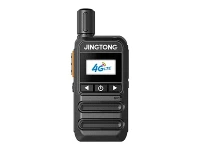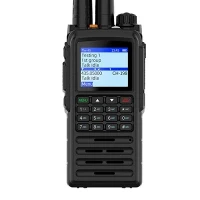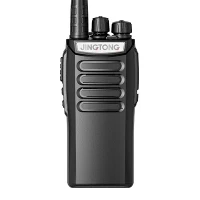

Sure, you can use an analog radio in a mountainous area, and it can be a great choice for many reasons. As an analog radio supplier, I've seen firsthand how these devices perform in challenging terrains like mountains. Let's dive into the details of using an analog radio in such an environment.
Why Analog Radios Work Well in Mountains
First off, analog radios are known for their simplicity and reliability. In mountainous areas, where the terrain can be rugged and unpredictable, you need a communication device that won't let you down. Analog radios don't rely on complex digital networks or satellite connections that can be disrupted by the natural landscape. They operate on straightforward radio frequencies, which are less likely to be affected by the mountains' physical barriers.
Another advantage is the battery life. Since analog radios are less power - hungry than their digital counterparts, they can run for a long time on a single set of batteries. This is crucial when you're out in the mountains, far from any power sources. You don't want to be left without communication because your radio's battery died.
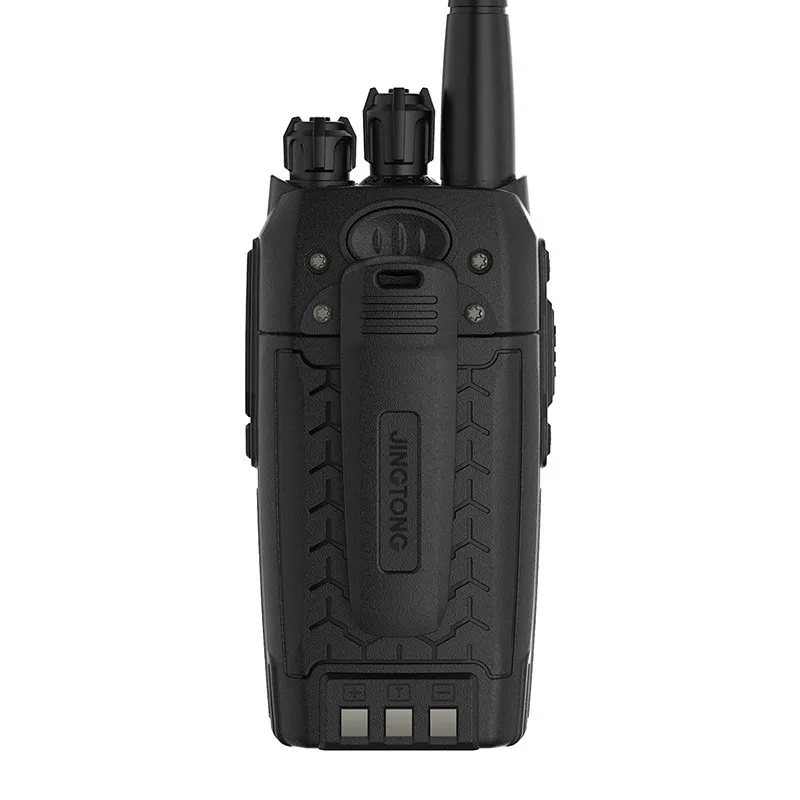

Signal Range and Terrain Challenges
Now, let's talk about the signal range. In a mountainous area, the range of an analog radio can be affected by the terrain. Mountains can block or reflect radio signals, reducing the effective range. However, there are ways to mitigate this issue.
One option is to use a Long Range Analog Radio. These radios are designed with higher power output and better antennas, which can help the signal travel further over the mountains. For example, a 5 - watt walkie - talkie can often reach a few miles in open terrain, but in the mountains, you might need to get to a higher elevation to get the best range.
If you're part of a group in the mountains, you can also use a relay system. One person can act as a relay point, standing on a high point and re - transmitting the signal between two other members of the group. This can significantly extend the communication range.
Types of Analog Radios for Mountain Use
There are several types of analog radios that are suitable for mountainous areas.
- PoC Analog Radio: The PoC Analog Radio combines the features of analog radio with the convenience of Push - to - Talk over Cellular (PoC). This means you can use it like a regular analog radio, but also have the option to connect to a cellular network when available. In the mountains, this can be a great backup in case you need to communicate with someone outside your immediate group.
- Best Analog Ham Radio: Best Analog Ham Radio is a popular choice among amateur radio enthusiasts. Ham radios offer a wide range of frequencies and can be used for long - distance communication. They often have more advanced features like adjustable power levels and different modulation modes, which can be useful in a mountainous environment.
- Analogue Radio Walkie Talkie: The Analogue Radio Walkie Talkie is a simple and portable option. It's easy to use and can be carried in your backpack without adding too much weight. These walkie - talkies are great for short - range communication within a small group.
- Portable Professional Radio: Portable Professional Radio is designed for more serious users. They usually have better build quality, stronger antennas, and more features like weather alerts. If you're going on a long - term mountain expedition, a portable professional radio can be a valuable tool.
Tips for Using Analog Radios in Mountains
Here are some tips to get the most out of your analog radio in a mountainous area:
- Antenna Placement: Make sure your radio's antenna is fully extended and pointed in the direction of the person you're trying to communicate with. A properly positioned antenna can significantly improve the signal strength.
- Frequency Selection: Some frequencies work better in the mountains than others. Experiment with different frequencies to find the one that gives you the best reception.
- Battery Management: Bring extra batteries and keep them warm. Cold temperatures can reduce battery performance, so it's a good idea to keep the spare batteries in an inside pocket.
Conclusion
In conclusion, using an analog radio in a mountainous area is not only possible but also a practical choice. With the right type of radio and some simple tips, you can stay connected with your group and ensure your safety. If you're planning a mountain trip or need reliable communication in a mountainous environment, consider our range of analog radios.
Whether you're a hiker, a mountaineer, or a professional working in the mountains, our analog radios are designed to meet your needs. If you're interested in purchasing an analog radio or have any questions about our products, feel free to reach out for a procurement discussion. We're here to help you find the perfect communication solution for your mountain adventures.
References
- Radio Technology Handbook.
- Mountain Communication Guide.