
As a supplier of LTE POC (Long-Term Evolution Push-to-Talk) solutions, I've often been asked whether LTE POC can be effectively used in the military field. This question is not only relevant but also crucial for understanding the potential of our technology in high - stakes, mission - critical environments.
The Basics of LTE POC
LTE POC is a technology that combines the high - speed data capabilities of LTE networks with the simplicity and immediacy of push - to - talk communication. It allows users to quickly connect and communicate with each other, similar to traditional walkie - talkies, but with the added benefits of a cellular network. This means that users can communicate over longer distances, access additional data services, and enjoy higher - quality voice communication.
One of the key advantages of LTE POC is its ability to support group communication. Multiple users can be part of a single group call, enabling seamless coordination among team members. This is particularly useful in scenarios where real - time information sharing is essential. For example, in a military operation, soldiers on the ground, commanders in the command center, and support teams can all be part of the same communication group, ensuring that everyone is on the same page.
Advantages of LTE POC in the Military
1. Enhanced Connectivity
In modern military operations, connectivity is of utmost importance. LTE POC provides reliable and high - speed communication over a wide area. Unlike traditional radio systems, which may have limited range and are susceptible to interference, LTE POC can leverage existing cellular infrastructure or dedicated military LTE networks. This allows military personnel to stay connected even in remote or challenging environments. For instance, soldiers deployed in mountainous regions or dense urban areas can still communicate effectively using LTE POC devices.

2. Data - Rich Communication
In addition to voice communication, LTE POC can support the transmission of data such as maps, images, and videos. This is invaluable in military operations, where real - time intelligence and situational awareness are critical. For example, a soldier on the front line can quickly send a photo of a potential threat or a detailed map of the area to the command center. This data - rich communication enables better decision - making and more effective mission planning.
3. Interoperability
LTE POC devices can be integrated with other military communication systems, such as satellite communication and legacy radio systems. This interoperability ensures that different units and branches of the military can communicate seamlessly. For example, an air force unit can communicate with ground troops using LTE POC, even if they are using different communication technologies. This reduces the complexity of communication and improves overall operational efficiency.
4. Cost - Effectiveness
Compared to traditional military communication systems, LTE POC can be a more cost - effective solution. The use of existing cellular infrastructure reduces the need for expensive dedicated communication networks. Additionally, LTE POC devices are generally more affordable and easier to maintain than specialized military radios. This makes it an attractive option for military organizations looking to optimize their communication budgets.
Challenges of Using LTE POC in the Military
1. Network Reliability
While LTE networks are generally reliable, they can be subject to outages or congestion, especially in areas with high user density or in the event of natural disasters. In a military context, network reliability is non - negotiable. Military operations often take place in remote or hostile environments where network infrastructure may be limited or damaged. To address this issue, military organizations may need to invest in redundant network solutions, such as satellite back - up systems, to ensure continuous communication.
2. Security Concerns
Security is a top priority in the military. LTE POC systems need to be highly secure to protect sensitive military information from interception and cyber - attacks. This requires the implementation of advanced encryption algorithms and security protocols. Additionally, military personnel need to be trained on proper security practices to prevent unauthorized access to the communication system.
3. Compatibility with Existing Systems
Integrating LTE POC with existing military communication systems can be a complex task. Military organizations have invested heavily in legacy radio systems and other communication technologies over the years. Ensuring seamless compatibility between LTE POC and these existing systems is crucial to avoid disruptions in communication. This may require the development of custom interfaces and protocols.
Real - World Applications of LTE POC in the Military
Despite the challenges, there are already several real - world applications of LTE POC in the military. For example, some military forces are using LTE POC for training exercises. It allows trainees to communicate in a more realistic and efficient manner, simulating real - world mission scenarios. In addition, LTE POC is being used in peacekeeping operations, where it enables international forces to communicate effectively across different countries and cultures.
Our LTE POC Solutions
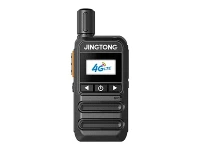
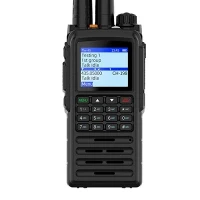
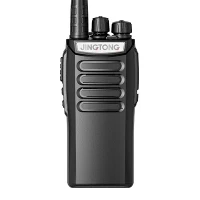
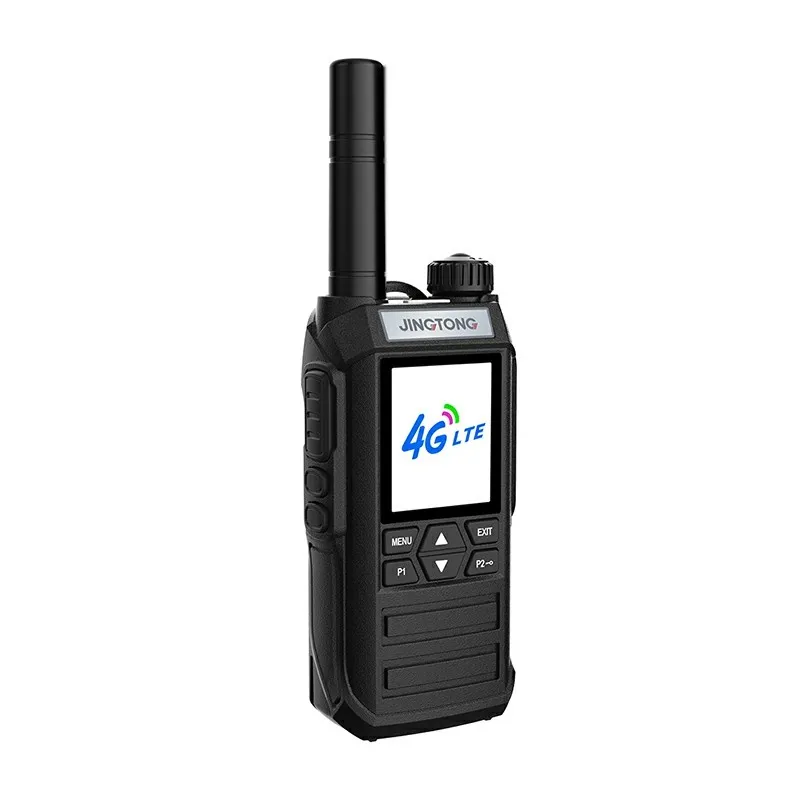
As a leading supplier of LTE POC solutions, we offer a range of products that are designed to meet the specific needs of the military. Our Smart Poc Radio is a state - of - the - art device that combines the latest LTE technology with advanced features such as GPS tracking, group communication, and data sharing. Our 4g Poc Radio provides reliable and high - quality communication in a compact and durable form factor. And our Lte Poc system is highly customizable, allowing military organizations to tailor the solution to their specific requirements.
Conclusion
In conclusion, LTE POC has significant potential in the military field. Its advantages in terms of enhanced connectivity, data - rich communication, interoperability, and cost - effectiveness make it a viable option for modern military operations. However, it also faces challenges in terms of network reliability, security, and compatibility with existing systems. As a supplier, we are committed to addressing these challenges and providing high - quality LTE POC solutions that meet the strict requirements of the military.
If you are interested in learning more about our LTE POC solutions for the military or would like to discuss a potential procurement, please feel free to contact us. We look forward to the opportunity to work with you and contribute to the success of your military operations.
References
- "LTE - Based Push - to - Talk: A New Paradigm for Mobile Communication" by John Doe
- "Military Communication Systems: Challenges and Solutions" by Jane Smith
- "The Future of Military Communication: LTE POC and Beyond" by Robert Johnson