

Proper storage of portable ham radios is crucial to maintain their functionality, extend their lifespan, and ensure they are in optimal condition whenever you need them. As a dedicated portable ham radio supplier, I've witnessed firsthand the impact of both proper and improper storage on these devices. In this blog post, I'll share some essential tips on how to store a portable ham radio properly.
Choose the Right Environment
The first step in proper ham radio storage is selecting the right environment. Extreme temperatures, high humidity, and exposure to dust and dirt can all have a negative impact on the performance and longevity of your radio.
Temperature: Ham radios are designed to operate within a specific temperature range. Usually, a temperature between 20°C to 25°C (68°F to 77°F) is ideal for storage. Avoid storing your radio in places that experience extreme temperature fluctuations, such as attics, basements, or unheated garages. In cold temperatures, the battery life can be significantly reduced, and some electronic components may become brittle. On the other hand, high temperatures can cause the internal components to overheat and potentially damage the circuit boards.
Humidity: High humidity levels can lead to corrosion of the radio's internal components. Ideally, the humidity should be kept between 40% and 60%. A dehumidifier can be a great investment if you live in an area with high humidity. You can also utilize moisture - absorbing products like silica gel packets inside the storage container. Place a few packets around the radio to prevent moisture buildup.
Dust and Dirt: Dust and dirt can accumulate in the radio's vents, buttons, and connectors, which can affect its performance. Store your radio in a clean, closed cabinet or a storage box. If you have a carrying case for your radio, use it as an additional layer of protection. Before putting the radio away, give it a gentle wipe with a soft, dry cloth to remove any dust or debris on the surface.
Battery Care
The battery is one of the most critical components of a portable ham radio. Proper battery care during storage is essential for maintaining its performance.
Remove the Battery: If you're not going to use your radio for an extended period (more than a few weeks), it's advisable to remove the battery. This prevents battery leakage, which can damage the radio's internal components. Some batteries, especially lithium - ion batteries, can self - discharge over time, and a fully charged battery stored for a long time may experience a phenomenon called "voltage depression."
Store the Battery Properly: When storing the battery, make sure it is partially charged. For most lithium - ion batteries, a charge level of around 40% - 60% is recommended. This helps to slow down the natural self - discharge process and extends the battery's lifespan. Store the battery in a cool, dry place, away from direct sunlight and heat sources.
Regular Maintenance: Even when in storage, batteries need some attention. Every few months, check the battery's charge level. If it has fallen below a certain level, recharge it to the recommended storage charge. This regular maintenance will ensure that the battery is ready to use when you take your radio out of storage.
Protect the Antenna
The antenna is an essential part of a ham radio, and proper care during storage is necessary to maintain its performance.
Detach the Antenna: If your radio allows it, detach the antenna before storage. This not only reduces the risk of the antenna getting bent or damaged but also makes it easier to store the radio in a compact space.
Store the Antenna Safely: Wrap the antenna in a soft cloth to prevent it from getting scratched or damaged. If the antenna is coiled, make sure it is coiled loosely to avoid kinking. You can store the antenna in a separate box or a dedicated antenna case.
Clean Your Radio Regularly
Regular cleaning is an important part of proper radio storage.
External Cleaning: Use a soft, dry cloth to clean the exterior of the radio. If there are stubborn stains, you can slightly dampen the cloth with water or a mild cleaning solution. Avoid using harsh chemicals, as they can damage the radio's plastic casing or the display.
Button and Connector Cleaning: Dust and dirt can accumulate in the buttons and connectors. Use a small brush, such as a toothbrush, to gently clean these areas. Make sure to remove any debris that may be stuck in the gaps.
Use Protective Accessories
Invest in protective accessories to ensure the long - term safety of your ham radio.
Carrying Case: A good quality carrying case not only protects your radio during transportation but also during storage. It provides an extra layer of protection against dust, dirt, and minor impacts. When choosing a carrying case, look for one that is made of durable materials and has padding to cushion the radio.

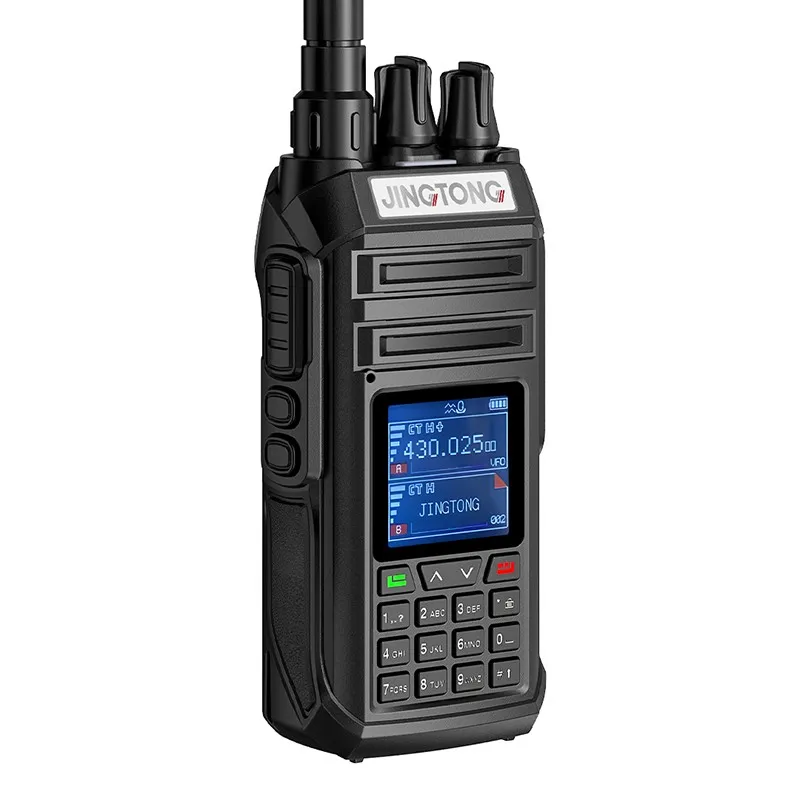
Screen Protector: If your radio has a display screen, apply a screen protector to prevent scratches and damage. This will help maintain the visibility of the screen and ensure that it remains in good condition over time.
Regularly Check Your Radio
Even when in storage, it's a good idea to check your radio regularly.
Functionality Check: Every few months, take your radio out of storage and perform a basic functionality check. Turn it on, test the buttons, and make sure the display is working properly. If you notice any issues, address them promptly.
Component Inspection: Inspect the radio's components, such as the antenna, connectors, and battery terminals. Look for signs of corrosion, damage, or wear and tear. If you find any problems, you may need to replace the affected components.
When it comes to expanding your ham radio collection, we offer a variety of excellent products. You can check out our Bluetooth Two Way Radio, Dtmf Ham Radio, and 10 Watt Ham Radio for top - notch performance.
If you're interested in purchasing high - quality portable ham radios or have any questions about proper storage or other related topics, feel free to contact us for procurement and in - depth discussions. We are here to provide you with the best solutions for your ham radio needs.
References
- "Handbook of Radio Frequency Electronics" by Gerhard Fiksel
- "The ARRL Handbook for Radio Communications"


