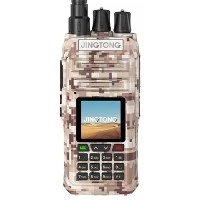

In the realm of public safety communication, the choice of equipment is of utmost importance. As a supplier of UHF analog radios, I often encounter inquiries about the viability of these devices for public safety applications. In this blog post, I will delve into the technical aspects, advantages, and limitations of UHF analog radios in the context of public safety communication.
Technical Overview of UHF Analog Radios
UHF (Ultra High Frequency) analog radios operate in the frequency range of 300 MHz to 3 GHz. This frequency band offers several advantages, including better penetration through buildings and obstacles compared to VHF (Very High Frequency) radios. The analog nature of these radios means that they transmit voice signals in a continuous, unmodulated form, as opposed to digital radios which convert voice into digital data for transmission.
One of the key features of UHF analog radios is their simplicity. They are relatively easy to operate, making them accessible to a wide range of users, including those without extensive technical knowledge. This simplicity also translates into lower costs, both in terms of the initial purchase price and ongoing maintenance.


Advantages of UHF Analog Radios for Public Safety Communication
1. Wide Coverage
UHF signals can travel relatively long distances, especially in open areas. This makes them suitable for public safety operations that require communication over large geographical areas, such as search and rescue missions or law enforcement patrols. The ability to cover a wide area ensures that responders can stay in touch with each other, even when they are far apart.
2. Compatibility
UHF analog radios are compatible with a large number of existing communication systems. This means that they can be easily integrated into existing public safety networks, allowing for seamless communication between different agencies. For example, if a fire department already has an analog radio system in place, they can add UHF analog radios to their fleet without having to overhaul their entire communication infrastructure.
3. Reliability
Analog radios are known for their reliability. They are less susceptible to interference from other electronic devices and can operate effectively in harsh environments. This is crucial for public safety applications, where communication must be maintained at all times, even in challenging conditions.
4. Cost-Effectiveness
As mentioned earlier, UHF analog radios are generally more cost-effective than digital radios. This makes them an attractive option for public safety agencies with limited budgets. The lower cost also means that more radios can be purchased, allowing for greater coverage and redundancy in the communication network.
Limitations of UHF Analog Radios for Public Safety Communication
1. Limited Capacity
Analog radios have a limited capacity for carrying information. They can only transmit voice signals, and the quality of the signal can degrade over long distances or in areas with high interference. This can make it difficult to transmit complex information, such as data or images, which may be necessary in some public safety situations.
2. Security
Analog signals are not encrypted, which means that they can be easily intercepted by unauthorized parties. This poses a significant security risk, especially in situations where sensitive information is being transmitted. In contrast, digital radios offer advanced encryption features that can protect the privacy and security of communication.
3. Compatibility with Newer Technologies
As technology continues to evolve, the compatibility of UHF analog radios with newer systems may become a concern. For example, many modern public safety agencies are transitioning to digital communication systems, which offer greater functionality and efficiency. UHF analog radios may not be able to interface with these new systems, which could limit their usefulness in the long term.
Case Studies: UHF Analog Radios in Public Safety
To illustrate the practical use of UHF analog radios in public safety, let's look at a few case studies.
1. Search and Rescue Operations
In a recent search and rescue mission in a mountainous area, a team of responders used UHF analog radios to communicate with each other. The radios provided reliable communication over a wide area, allowing the team to coordinate their efforts effectively. The simplicity of the radios also made them easy to operate in the challenging environment, where time was of the essence.
2. Law Enforcement Patrols
A local police department uses UHF analog radios for their patrols. The radios offer wide coverage, allowing officers to stay in touch with each other even when they are patrolling different areas of the city. The cost-effectiveness of the radios has also allowed the department to equip all of their officers with communication devices, ensuring that they can respond quickly to emergencies.
Conclusion
In conclusion, UHF analog radios can be a viable option for public safety communication, especially in situations where cost, simplicity, and wide coverage are important factors. However, they also have some limitations, such as limited capacity, security concerns, and compatibility issues with newer technologies.
As a supplier of Powerful Long Range Walkie Talkie Portable Radio, Two Way Radio with UHF Frequency, and UHF Analog Radio, I understand the unique needs of public safety agencies. We offer a range of high-quality UHF analog radios that are designed to meet the demands of these applications. If you are interested in learning more about our products or discussing your specific requirements, please feel free to contact us. We would be happy to assist you in finding the right communication solution for your public safety needs.
References
- "Radio Frequency for Dummies" by Gordon R. Pettengill
- "Public Safety Communication Systems: Design and Implementation" by John R. Vacca