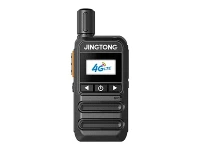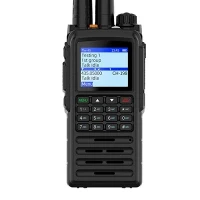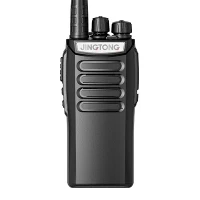

As a supplier of Water Resistant Radio, I've often been asked about how well our radios perform in different environments. The reception quality of a water-resistant radio is a crucial factor for many users, especially those who rely on these radios in challenging conditions such as marine, outdoor sports, and industrial settings. In this blog, I'll explore the reception quality of our water-resistant radios in various environments and explain the factors that influence it.
Understanding Reception Quality
Before delving into the specific environments, it's important to understand what reception quality means. Reception quality refers to the clarity and strength of the radio signal received by the device. A high-quality reception ensures that the user can hear the transmitted message clearly without any distortion or interference. Several factors affect reception quality, including the radio's antenna design, frequency range, power output, and external environmental conditions.
Indoor Environments
Indoor environments present a unique set of challenges for radio reception. The presence of walls, floors, and other structures can absorb, reflect, or scatter radio waves, leading to signal degradation. However, our water-resistant radios are designed with advanced antenna technology and signal processing algorithms to overcome these challenges.
In typical indoor settings such as offices, homes, and warehouses, our radios can provide reliable reception. The short-range nature of these environments means that the radios can operate effectively within their line-of-sight range. Additionally, the use of frequency hopping and encoding techniques helps to reduce interference from other electronic devices, ensuring clear communication.
For example, in a large warehouse with multiple metal shelves and equipment, our Smart Portable Marine Radio can maintain a strong signal and clear communication. The radio's waterproof and durable design also makes it suitable for use in damp or wet areas within the warehouse.
Outdoor Urban Environments
Outdoor urban environments are characterized by high levels of electromagnetic interference from various sources such as cell towers, Wi-Fi routers, and electronic billboards. These sources can cause signal interference and reduce the reception quality of the radio. Our water-resistant radios are designed to operate in these challenging conditions by using advanced filtering and shielding techniques.
In crowded city streets, our radios can still provide reliable communication. The radio's high-gain antenna can capture weak signals from a distance, while the signal processing algorithms can filter out unwanted noise and interference. However, the presence of tall buildings and other obstacles can block the radio waves, leading to dead spots. To overcome this issue, users can adjust the antenna position or use a repeater to boost the signal.
Marine Environments
Marine environments are perhaps the most challenging for radio reception. The presence of water, which is a good conductor of electricity, can absorb and scatter radio waves, leading to significant signal loss. Additionally, the dynamic nature of the marine environment, including waves, wind, and salt spray, can further affect the reception quality.
Our water-resistant radios are specifically designed for marine use and are built to withstand the harsh conditions of the ocean. The radios are equipped with high-power transmitters and sensitive receivers to ensure reliable communication over long distances. The waterproof and saltwater-resistant design also protects the radio from damage caused by water and salt spray.
In open water, our radios can provide excellent reception. The long-range capabilities of the radio allow users to communicate with other vessels and shore stations up to several miles away. However, in coastal areas or near large bodies of land, the radio waves can be reflected or refracted by the terrain, leading to signal interference. Users should be aware of these potential issues and adjust their communication strategies accordingly.
Rural and Wilderness Environments
Rural and wilderness environments offer a different set of challenges for radio reception. While there is less electromagnetic interference in these areas, the vast open spaces and lack of infrastructure can make it difficult to maintain a strong signal. Additionally, the presence of natural obstacles such as mountains, forests, and valleys can block the radio waves.
Our water-resistant radios are well-suited for use in rural and wilderness environments. The radio's high-gain antenna and long-range capabilities allow users to communicate over long distances, even in remote areas. The rugged design of the radio also makes it suitable for use in harsh outdoor conditions.
In mountainous regions, for example, our radios can provide reliable communication between hikers and rescue teams. The radio's ability to operate on multiple frequencies and use different modes of communication allows users to adapt to changing conditions and ensure clear communication.
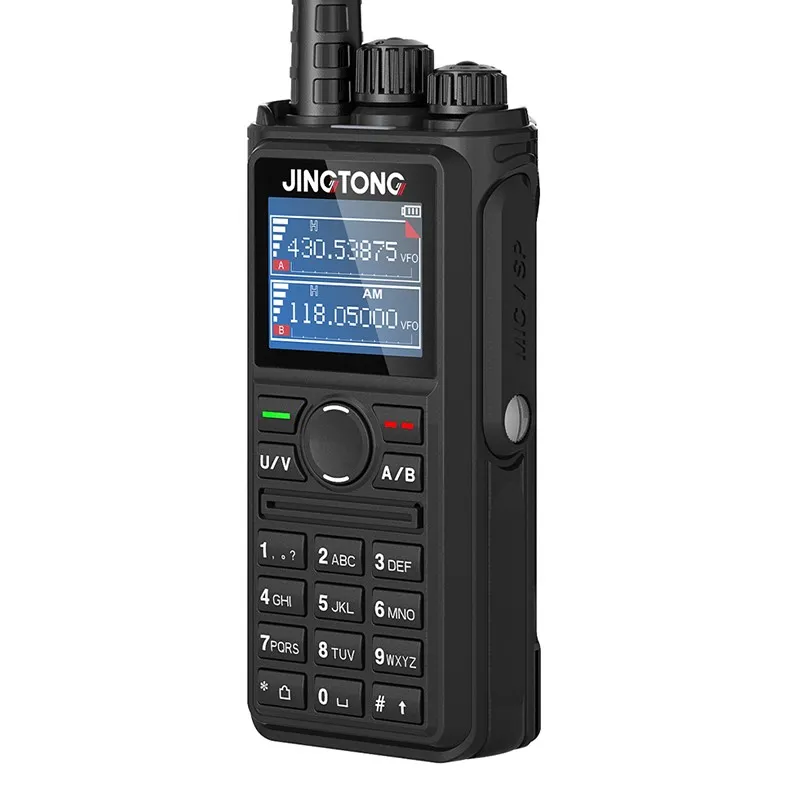

Factors Affecting Reception Quality
In addition to the environmental factors mentioned above, several other factors can affect the reception quality of a water-resistant radio. These include:
- Antenna Design: The design of the antenna plays a crucial role in determining the radio's reception quality. A well-designed antenna can capture and transmit radio waves more efficiently, leading to better reception.
- Frequency Range: The frequency range of the radio determines the types of signals it can receive and transmit. Different frequencies are suitable for different applications, and users should choose a radio that operates on the appropriate frequency range for their needs.
- Power Output: The power output of the radio determines the strength of the signal it can transmit. A higher power output generally means a longer range and better reception.
- Interference: As mentioned earlier, electromagnetic interference from other sources can affect the reception quality of the radio. Users should be aware of potential sources of interference and take steps to minimize their impact.
Conclusion
The reception quality of a water-resistant radio is a critical factor for many users, especially those who rely on these radios in challenging environments. Our water-resistant radios are designed to provide reliable communication in a variety of environments, including indoor, outdoor urban, marine, and rural settings. By understanding the factors that affect reception quality and choosing a radio that is suitable for their needs, users can ensure clear and reliable communication.
If you are interested in learning more about our water-resistant radios or would like to discuss your specific requirements, please feel free to contact us. We are ready to assist you with your procurement needs and provide you with the best communication solutions for your application.
References
- "Radio Frequency Engineering," by Wenzel Electronics, Inc.
- "Handbook of Radio Wave Propagation," by Lars Ekman and Peter L. E. Uslenghi.
- "Antenna Theory: Analysis and Design," by Constantine A. Balanis.