

What is the bandwidth of a portable ham radio? Well, let me break it down for you. I'm a supplier of Portable Ham Radios, and I've dealt with all sorts of questions about these nifty devices.
First off, bandwidth is a pretty important concept when it comes to ham radios. In simple terms, bandwidth refers to the range of frequencies that a radio can handle. It's like the width of a highway - the wider it is, the more traffic (or in this case, signals) it can carry.
For portable ham radios, the bandwidth can vary quite a bit. Different models are designed to operate on different frequency bands, and each band has its own specific bandwidth. Some common frequency bands for ham radios include the HF (High Frequency), VHF (Very High Frequency), and UHF (Ultra High Frequency) bands.
The HF band typically ranges from 3 MHz to 30 MHz. Portable ham radios operating in this band usually have a relatively narrow bandwidth. This is because the HF band is used for long - distance communication, and a narrow bandwidth helps in reducing interference and improving the clarity of the signal. For example, a typical HF portable ham radio might have a bandwidth of around 2.7 kHz for voice communication. This narrow bandwidth allows for efficient use of the limited frequency space in the HF band.
On the other hand, the VHF band ranges from 30 MHz to 300 MHz, and the UHF band ranges from 300 MHz to 3 GHz. Portable ham radios in these bands often have a wider bandwidth. In the VHF and UHF bands, the signals are more suitable for short - to medium - range communication. A portable VHF or UHF ham radio might have a bandwidth of around 12.5 kHz or 25 kHz for voice communication. This wider bandwidth can accommodate more complex signals and provide better audio quality.
Now, why does the bandwidth matter? Well, if you're using your portable ham radio for voice communication, a wider bandwidth can mean clearer and more natural - sounding voices. But if you're trying to communicate over long distances, a narrow bandwidth can be more effective in cutting through interference.
Let's talk about some of the products we offer. We have a great Dual Band Ham Radio Transceiver. This radio is capable of operating on both the VHF and UHF bands. It gives you the flexibility to choose the band that's most suitable for your communication needs. With its adjustable bandwidth settings, you can optimize the radio for different types of communication, whether it's a short - range chat with a friend in the neighborhood or a long - distance contact with another ham radio operator across the country.
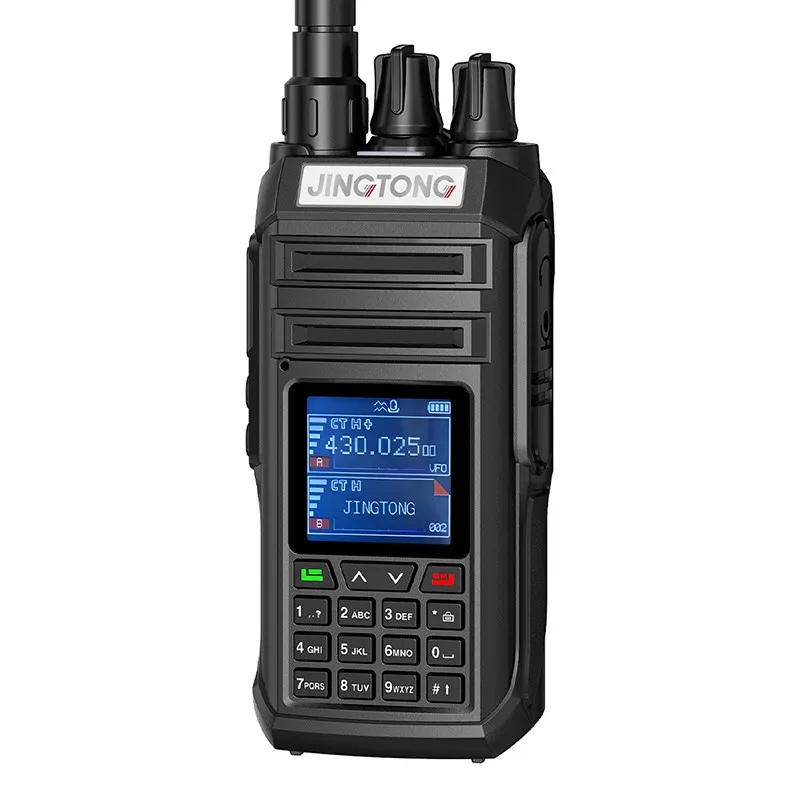

Another popular product is our 10 Watt Ham Radio. This radio offers a good balance between power and portability. It has a well - defined bandwidth that allows for clear communication within its operating range. Whether you're out in the wilderness or just using it around town, this radio can get the job done.
We also have a Bluetooth Two Way Radio. This radio not only has a decent bandwidth for traditional ham radio communication but also offers the convenience of Bluetooth connectivity. You can pair it with your smartphone or other Bluetooth - enabled devices, which opens up a whole new world of possibilities for communication.
When it comes to choosing the right portable ham radio for you, the bandwidth is just one factor to consider. You also need to think about the power output, the range, the features, and of course, your budget. But understanding the bandwidth can help you make a more informed decision.
If you're interested in purchasing a portable ham radio, we're here to help. We have a team of experts who can answer all your questions and guide you through the selection process. Whether you're a beginner or an experienced ham radio operator, we have the right product for you.
In conclusion, the bandwidth of a portable ham radio is an important characteristic that affects its performance. Different frequency bands have different bandwidth requirements, and choosing the right bandwidth depends on your communication needs. So, if you're in the market for a portable ham radio, don't overlook the bandwidth. And if you have any questions or want to discuss your options, feel free to reach out to us. We're always happy to assist you in finding the perfect portable ham radio for your needs.
References:
- ARRL Handbook for Radio Communications
- Various technical manuals of ham radio manufacturers.


