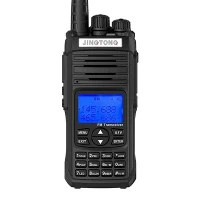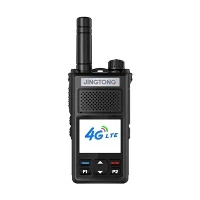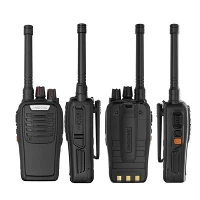

Analog ham radio has long been a staple in the world of radio communication, valued for its simplicity and reliability. As a supplier of analog ham radios, I understand the importance of ensuring optimal signal quality for our customers. In this blog post, I'll share some practical tips and strategies to improve the signal quality of analog ham radio.
Understanding the Basics of Analog Ham Radio Signals
Before delving into the ways to improve signal quality, it's essential to understand the basic principles of analog ham radio signals. Analog signals are continuous waveforms that carry information through variations in amplitude, frequency, or phase. These signals are susceptible to interference from various sources, including electrical noise, atmospheric conditions, and other radio signals.
The quality of an analog ham radio signal is measured in terms of signal strength and clarity. A strong signal is more likely to be received clearly, while a weak signal may be subject to distortion and interference. Factors such as antenna design, power output, and operating frequency can all affect the signal quality of an analog ham radio.
Choosing the Right Antenna
One of the most critical factors in improving the signal quality of an analog ham radio is choosing the right antenna. The antenna is responsible for transmitting and receiving radio signals, and its design and placement can have a significant impact on signal strength and clarity.
There are several types of antennas available for analog ham radio, each with its own advantages and disadvantages. Some common types of antennas include:
- Dipole Antennas: These are simple, two-element antennas that are easy to construct and install. Dipole antennas are omnidirectional, meaning they can receive signals from all directions.
- Yagi Antennas: Yagi antennas are directional antennas that are designed to focus the signal in a specific direction. They are more complex to construct and install than dipole antennas but offer greater gain and directivity.
- Vertical Antennas: Vertical antennas are omnidirectional antennas that are mounted vertically. They are commonly used for mobile and portable applications and are relatively easy to install.
When choosing an antenna, it's important to consider the frequency range of your analog ham radio, the location of your radio station, and the type of communication you'll be doing. For example, if you're operating on a specific frequency band, you'll need an antenna that is designed to work within that frequency range. Additionally, if you're located in an area with a lot of interference, you may need a directional antenna to reduce the impact of unwanted signals.
Optimizing Antenna Placement
In addition to choosing the right antenna, optimizing its placement is also crucial for improving signal quality. The ideal location for an antenna is high above the ground, away from any obstructions such as buildings, trees, or power lines. This helps to minimize the impact of interference and improve the signal strength and clarity.
When installing an antenna, it's important to ensure that it is properly grounded. A good ground connection helps to reduce the risk of electrical shock and improve the performance of the antenna. Additionally, it's important to avoid placing the antenna too close to other electronic devices, as this can cause interference.


Adjusting Power Output
Another way to improve the signal quality of an analog ham radio is to adjust the power output. The power output of a radio is measured in watts, and increasing the power output can help to increase the signal strength and range. However, it's important to note that increasing the power output also increases the risk of interference and can potentially damage the radio.
When adjusting the power output, it's important to follow the manufacturer's recommendations and local regulations. Additionally, it's important to use the lowest power output necessary to achieve the desired communication. This helps to reduce the risk of interference and conserve battery life.
Using Signal Boosters
Signal boosters are devices that are designed to amplify the radio signal and improve the signal quality. They are commonly used in areas with weak signal strength or high levels of interference. Signal boosters can be either external or internal, and they work by increasing the power of the radio signal before it is transmitted or received.
When using a signal booster, it's important to choose a device that is compatible with your analog ham radio and the frequency range you'll be operating on. Additionally, it's important to follow the manufacturer's instructions and local regulations when installing and using the signal booster.
Reducing Interference
Interference is one of the most common problems that can affect the signal quality of an analog ham radio. Interference can be caused by a variety of factors, including electrical noise, atmospheric conditions, and other radio signals. To reduce interference, it's important to take the following steps:
- Use a Noise Filter: Noise filters are devices that are designed to reduce the impact of electrical noise on the radio signal. They work by filtering out unwanted frequencies and reducing the amount of interference.
- Avoid Operating Near Electronic Devices: Electronic devices such as computers, televisions, and microwave ovens can generate electrical noise that can interfere with the radio signal. To reduce the impact of interference, it's important to avoid operating your analog ham radio near these devices.
- Choose the Right Frequency: Different frequencies are affected by interference in different ways. To reduce the impact of interference, it's important to choose a frequency that is less susceptible to interference.
Regular Maintenance and Calibration
Regular maintenance and calibration of your analog ham radio are also important for ensuring optimal signal quality. Over time, the components of the radio can wear out or become damaged, which can affect the performance of the radio. To prevent this, it's important to perform regular maintenance and calibration of your radio.
Some common maintenance tasks include cleaning the radio, checking the connections, and replacing any worn or damaged components. Additionally, it's important to calibrate the radio regularly to ensure that it is operating at the correct frequency and power output.
Conclusion
Improving the signal quality of an analog ham radio requires a combination of factors, including choosing the right antenna, optimizing antenna placement, adjusting power output, using signal boosters, reducing interference, and performing regular maintenance and calibration. By following these tips and strategies, you can ensure that your analog ham radio is operating at its best and providing you with clear and reliable communication.
If you're interested in purchasing an analog ham radio or need help improving the signal quality of your existing radio, please feel free to [contact us for a consultation]. We offer a wide range of 10 Watt Ham Radio, IP67 Waterproof Two Way Radio, and Bluetooth Two Way Radio to meet your needs. Our team of experts is always available to provide you with the support and guidance you need to get the most out of your analog ham radio.
References
- ARRL Handbook for Radio Communications.
- Radio Electronics Magazine.
- Amateur Radio Today.