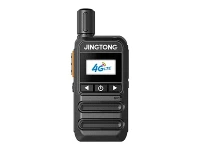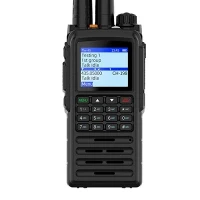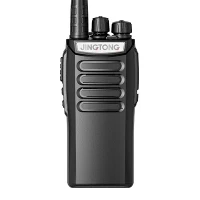

Hey there! As a supplier of Pocket Analogue Radios, I often get asked if these nifty gadgets can be used outdoors. Well, the short answer is a resounding yes! In this blog, I'll dive deep into the ins and outs of using a Pocket Analogue Radio outside, exploring its features, benefits, and some tips to make the most of it.
Let's start with the basics. A Pocket Analogue Radio is a compact, portable device that allows you to tune into various radio stations. Unlike digital radios, analogue radios use traditional tuning methods, which can offer a unique listening experience. They're great for those who appreciate the simplicity and nostalgia of old-school radio.
One of the biggest advantages of using a Pocket Analogue Radio outdoors is its portability. These radios are small enough to fit in your pocket or backpack, making them perfect for outdoor activities like hiking, camping, picnics, or even just a day at the beach. You can easily take them with you wherever you go and enjoy your favorite radio stations on the move.
Another benefit is the wide range of frequencies that analogue radios can pick up. They can tune into AM and FM stations, which means you have access to a variety of programming, including news, music, sports, and talk shows. This is especially useful when you're in an area with limited internet access or when you want to stay informed about local events.
In addition to their portability and frequency range, Pocket Analogue Radios are also known for their durability. They're built to withstand the rigors of outdoor use, with sturdy construction and reliable components. This means you don't have to worry about them getting damaged easily, even if they're exposed to the elements.
Now, let's talk about some of the challenges you might face when using a Pocket Analogue Radio outdoors. One of the main issues is signal strength. Analogue radios rely on a strong signal to function properly, and outdoor environments can sometimes interfere with the signal. This can result in poor reception or static on the radio. To overcome this, it's important to find a location with a clear line of sight to the radio station and avoid areas with a lot of interference, such as near power lines or large buildings.
Another challenge is battery life. Since Pocket Analogue Radios are portable, they run on batteries. Depending on the model and usage, the battery life can vary. It's a good idea to carry extra batteries with you, especially if you're going to be using the radio for an extended period of time.
To make the most of your Pocket Analogue Radio outdoors, here are some tips:
- Antenna adjustment: The antenna plays a crucial role in the reception of the radio. Make sure it's fully extended and positioned correctly to get the best signal. You can also try adjusting the angle of the antenna to improve reception.
- Frequency tuning: If you're having trouble finding a particular station, try using the tuning dial to fine-tune the frequency. This can help you get a clearer signal and reduce static.
- Weather protection: If you're using the radio in wet or humid conditions, make sure it's protected from the elements. You can use a waterproof case or cover to keep it dry.
- Volume control: Adjust the volume of the radio to a comfortable level. This will help you enjoy the radio without disturbing others around you.
In addition to the Pocket Analogue Radio, we also offer other great options, such as the Handheld Compact Radio and the Mini Analog Radio. These radios are also designed for outdoor use and offer similar features and benefits.
If you're interested in purchasing a Pocket Analogue Radio or any of our other products, please feel free to contact us. We'd be happy to answer any questions you may have and help you find the right radio for your needs.
In conclusion, a Pocket Analogue Radio can definitely be used outdoors. It offers a convenient and enjoyable way to stay connected and entertained while you're out and about. With its portability, wide frequency range, and durability, it's a great choice for anyone who loves outdoor activities. So, go ahead and give it a try!
References:


- Personal experience as a Pocket Analogue Radio supplier.
- General knowledge of radio technology and outdoor use.