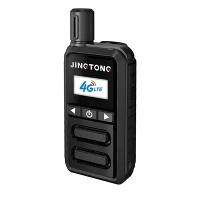

The idea of using a pocket analogue radio in a car is an interesting one, especially for those who appreciate the simplicity and charm of analogue technology. As a supplier of Pocket Analogue Radio, I've received numerous inquiries about the feasibility and benefits of using our devices in vehicles.


Advantages of a Pocket Analogue Radio in a Car
Simplicity and Ease of Use
One of the primary advantages of a pocket analogue radio is its simplicity. Unlike modern digital radios, which often come with a plethora of features and complex menus, analogue radios have straightforward controls. In a car, where you need to focus on the road, the ability to quickly tune in to a station without navigating through multiple screens or settings is invaluable. For example, if you're driving in an area with limited reception and need to adjust the frequency, the simple dial on an analogue radio allows for immediate changes.
Reliability
Analogue radios are known for their reliability. They don't rely on complex software or digital components that can malfunction or be affected by software glitches. In a car, where you might be in remote areas or experiencing harsh driving conditions, having a reliable radio is crucial. An analogue radio can often pick up signals in areas where digital radios struggle, as it doesn't require a strong digital signal to function properly.
Cost - Efficiency
Pocket analogue radios are generally more affordable than their digital counterparts. This makes them an attractive option for those who want to add some radio functionality to their car without breaking the bank. You can purchase a high - quality Small Analog Radio or Mini Analog Radio at a reasonable price, and use it in your car as a secondary or backup radio.
Nostalgic Appeal
For many people, using an analogue radio in a car is a trip down memory lane. It evokes the feeling of simpler times, when the radio was the main source of entertainment during long drives. The warm, crackling sound of an analogue broadcast can add a unique charm to the driving experience, making each journey more memorable.
Challenges of Using a Pocket Analogue Radio in a Car
Power Source
One of the main challenges of using a pocket analogue radio in a car is the power source. Most pocket analogue radios are designed to run on batteries. While this makes them portable, it also means that you need to constantly replace or recharge the batteries. In a car, you can use a battery - operated radio, but it might be more convenient to have a radio that can be powered by the car's electrical system. Some pocket analogue radios come with an adapter that allows them to be connected to the car's cigarette lighter, which solves this problem.
Antenna Performance
The antenna on a pocket analogue radio is usually designed for portable use. In a car, the metal body of the vehicle can interfere with the radio signals, affecting the reception quality. To overcome this, you might need to use an external antenna or find a way to position the radio in a way that minimizes interference. For example, placing the radio near a window can sometimes improve the reception.
Sound Quality in a Car Environment
The sound quality of a pocket analogue radio might not be as good in a car as it is in a quiet room. The noise from the engine, wind, and road can make it difficult to hear the radio clearly. To improve the sound quality, you might need to use a set of headphones or connect the radio to the car's audio system, if possible.
How to Optimize the Use of a Pocket Analogue Radio in a Car
Power Management
As mentioned earlier, using a power adapter to connect the radio to the car's electrical system is a great way to ensure continuous power. Make sure to choose a high - quality adapter to avoid any electrical issues. Some radios also have a low - power mode, which can help conserve battery life if you need to use the radio on battery power.
Antenna Enhancement
If the reception is poor, you can try using an external antenna. There are various types of external antennas available for pocket analogue radios, such as magnetic antennas that can be attached to the outside of the car. You can also experiment with different positions for the radio inside the car to find the best reception.
Sound Improvement
To improve the sound quality, you can use a 3.5 - mm audio cable to connect the radio to the car's auxiliary input, if your car has one. This allows the sound to be played through the car's speakers, which are usually more powerful and better - suited for the car environment. If your car doesn't have an auxiliary input, you can use a Bluetooth audio transmitter to connect the radio wirelessly to the car's audio system.
Safety Considerations
When using a pocket analogue radio in a car, safety should always be your top priority. Avoid using the radio in a way that distracts you from driving. For example, don't fiddle with the radio controls while the car is in motion. It's best to make any adjustments when the car is parked or at a red light. Also, make sure that the radio is placed in a secure location, so it doesn't become a projectile in case of an accident.
Conclusion
In conclusion, a pocket analogue radio can definitely be used in a car, and it offers several advantages such as simplicity, reliability, cost - efficiency, and nostalgic appeal. While there are some challenges, such as power source, antenna performance, and sound quality, these can be overcome with the right solutions. Whether you're a fan of analogue technology or just looking for a simple and affordable way to add radio functionality to your car, our pocket analogue radios are a great option.
If you're interested in learning more about our Pocket Analogue Radio or placing an order for bulk purchases, we're here to assist you. Get in touch with us to start the procurement discussion and find out how our products can meet your needs.
References
- "The Basics of Analogue Radio Technology." Radio Technology Journal, Volume 12, Issue 3.
- "Automotive Electronics: A Comprehensive Guide." Automotive Engineering Press, 2018.
- "Portable Radio Usage in Different Environments." Consumer Electronics Research Institute, 2020.