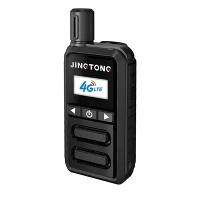

When it comes to ham radio enthusiasts, one of the most frequently asked questions is, "Which analog ham radio has the best range?" As a supplier of Best Analog Ham Radio, I've delved deep into this topic to provide you with comprehensive insights.


Understanding the Factors Affecting Range
Before we dive into specific models, it's crucial to understand the factors that influence the range of an analog ham radio. These factors can be broadly categorized into environmental, technical, and operational aspects.
Environmental Factors
- Terrain: The type of terrain plays a significant role in determining the range of a ham radio. For instance, in open areas such as plains or deserts, radio waves can travel much farther compared to urban areas with tall buildings or mountainous regions. In urban settings, buildings can block or reflect radio waves, reducing the effective range.
- Weather Conditions: Weather can also impact the range of a ham radio. Atmospheric conditions such as rain, fog, and solar activity can affect the propagation of radio waves. For example, during periods of high solar activity, the ionosphere can be more disturbed, which may either enhance or degrade the radio signal depending on the frequency used.
Technical Factors
- Transmitter Power: The power output of the radio transmitter is a key factor in determining the range. Generally, higher power output results in a longer range. However, it's important to note that different frequency bands have different power limitations set by regulatory authorities.
- Antenna Quality and Type: The antenna is the interface between the radio and the airwaves. A high - quality antenna can significantly improve the range of a ham radio. Different types of antennas, such as dipole, vertical, and Yagi antennas, have different radiation patterns and gain characteristics. For example, a Yagi antenna has a high gain in a specific direction, which can be useful for long - distance communication.
- Frequency Band: Different frequency bands have different propagation characteristics. Lower frequency bands, such as the HF (High Frequency) band, can travel long distances via ionospheric reflection, while higher frequency bands, such as the VHF (Very High Frequency) and UHF (Ultra High Frequency) bands, are more line - of - sight and have a shorter range.
Operational Factors
- Operator Skill: The skill of the operator can also affect the range of a ham radio. Experienced operators know how to adjust the radio settings, select the appropriate frequency band, and use the antenna effectively to maximize the range.
Top Analog Ham Radios for Long - Range Communication
Now that we understand the factors affecting range, let's take a look at some of the top analog ham radios known for their long - range capabilities.
IP67 Waterproof Two Way Radio
The IP67 Waterproof Two Way Radio is an excellent choice for long - range communication, especially in harsh environments. With its IP67 rating, it is dust - proof and waterproof, making it suitable for outdoor activities such as hiking, camping, and boating. This radio typically operates in the VHF or UHF frequency bands, which are ideal for line - of - sight communication. It has a relatively high power output, which, combined with a good antenna, can provide a decent range. The radio also features clear audio quality, which is essential for effective communication over long distances.
Portable Ham Radio
The Portable Ham Radio is another great option for those who need long - range communication on the go. These radios are designed to be lightweight and easy to carry, making them suitable for mobile operations. Many portable ham radios operate in the HF band, which allows for long - distance communication via ionospheric reflection. They often come with built - in antennas or can be connected to external antennas for improved performance. Some portable ham radios also have features such as automatic frequency control (AFC) and noise reduction, which can enhance the communication quality over long distances.
Analogue Ham Radio
The Analogue Ham Radio is a classic choice for ham radio enthusiasts. These radios offer a simple and reliable way to communicate over long distances. Analogue ham radios are available in a variety of frequency bands, including HF, VHF, and UHF. They typically have a high power output and can be paired with different types of antennas to achieve the best range. Analogue radios are also known for their durability and ease of use, making them a popular choice for both beginners and experienced operators.
Comparing the Range of Different Analog Ham Radios
To determine which analog ham radio has the best range, it's important to compare the specifications and performance of different models. Here is a comparison of the three radios mentioned above:
| Radio Type | Frequency Band | Power Output | Antenna Compatibility | Typical Range |
|---|---|---|---|---|
| IP67 Waterproof Two Way Radio | VHF/UHF | 5 - 10 watts | Built - in or external | Up to 5 - 10 miles in open terrain |
| Portable Ham Radio | HF | 10 - 100 watts | Built - in or external | Hundreds to thousands of miles via ionospheric reflection |
| Analogue Ham Radio | HF/VHF/UHF | 10 - 100 watts | Built - in or external | Varies depending on frequency band and antenna |
As you can see, the Portable Ham Radio operating in the HF band generally has the longest range due to its ability to use ionospheric reflection for long - distance communication. However, the IP67 Waterproof Two Way Radio is a great choice for short - to medium - range communication in harsh environments, while the Analogue Ham Radio offers a versatile option for different frequency bands.
Tips for Maximizing the Range of Your Analog Ham Radio
Regardless of which analog ham radio you choose, there are several tips you can follow to maximize its range:
- Use a High - Quality Antenna: Invest in a good antenna that is suitable for the frequency band you are using. A high - gain antenna can significantly improve the range of your radio.
- Choose the Right Frequency Band: Select the frequency band that is most suitable for your communication needs. For long - distance communication, the HF band is often the best choice, while VHF and UHF bands are better for line - of - sight communication.
- Optimize Your Location: Place your radio in a location with a clear line of sight and minimal interference. Avoid placing the radio near large metal objects or electrical equipment that can cause interference.
- Keep Your Radio in Good Condition: Regularly maintain your radio to ensure it is in good working condition. Check the battery, antenna connections, and other components regularly.
Conclusion
In conclusion, determining which analog ham radio has the best range depends on several factors, including the frequency band, power output, antenna quality, and environmental conditions. The Portable Ham Radio operating in the HF band generally offers the longest range, while the IP67 Waterproof Two Way Radio is a great option for short - to medium - range communication in harsh environments. The Analogue Ham Radio provides a versatile choice for different frequency bands.
If you are interested in purchasing an analog ham radio with the best range for your needs, we invite you to contact us for further discussion and procurement. We are committed to providing you with high - quality products and excellent customer service.
References
- ARRL Handbook for Radio Communications.
- Ham Radio Magazine.
- Various technical specifications provided by radio manufacturers.