

Using long range analog radio for long - distance communication in deserts can be a game - changer, especially for those who work or travel in these vast, remote areas. As a long range analog radio supplier, I've seen firsthand how these devices can bridge the communication gap in the harsh desert environment.
Understanding the Desert Environment
Deserts are known for their extreme conditions. The open, flat terrain might seem ideal for long - distance communication, but there are several factors that can affect radio signals. The lack of natural obstacles like trees and buildings means that signals can travel farther in theory. However, the hot and dry climate can cause interference. High temperatures can heat up the components of the radio, potentially affecting its performance. Also, the sand in the desert can act as a signal absorber, reducing the range of the radio.
Choosing the Right Long Range Analog Radio
When it comes to selecting a long range analog radio for desert use, there are a few key features to look for. First, power output is crucial. A higher - wattage radio will generally have a longer range. Our Analog Two Way Radio offers a 5 - watt power output, which is great for long - distance communication in the desert.
Another important factor is the frequency band. UHF (Ultra High Frequency) and VHF (Very High Frequency) are the two main frequency bands used in walkie - talkies. UHF signals tend to work better in areas with more obstacles, while VHF signals can travel farther in open spaces like deserts. Our Walkie Talkie UHF VHF Portable Radio allows you to switch between these two bands, giving you the flexibility to adapt to different situations.
Preparing Your Radio for Desert Use
Before heading out into the desert, it's essential to prepare your radio properly. Start by fully charging the batteries. In the desert, you may not have easy access to power sources, so a fully charged battery is a must. Also, consider bringing spare batteries or a portable charger.
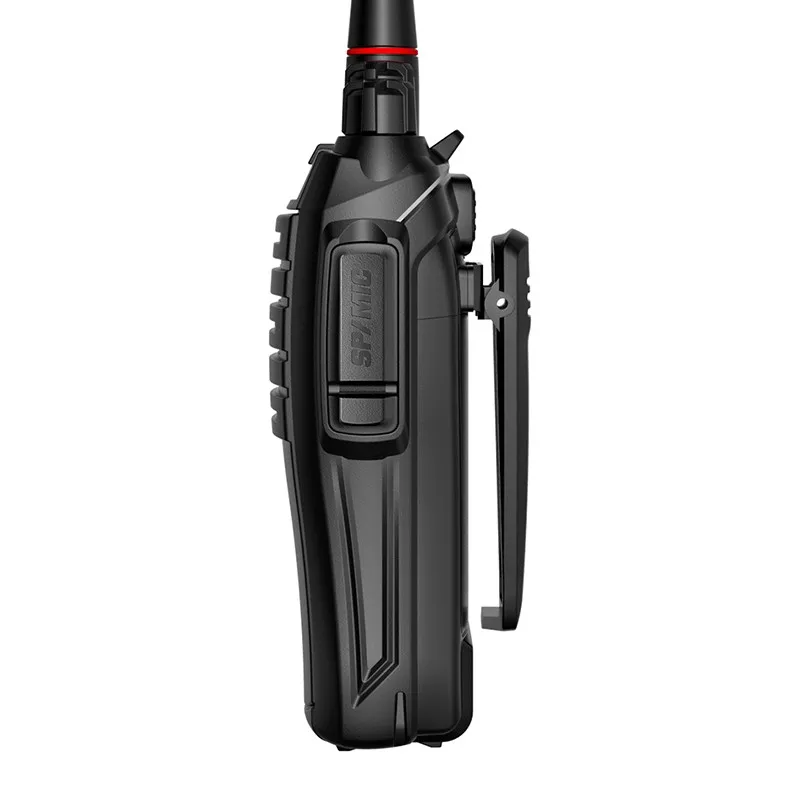

Next, protect your radio from the elements. Sand and dust can easily get into the radio and damage its internal components. Use a protective case or a dust cover. You can also apply a thin layer of silicone grease to the exposed parts of the radio to prevent sand from sticking.
Setting Up Your Radio
Once you're in the desert, it's time to set up your radio. First, find a high point. The higher the antenna, the farther the signal can travel. Climb a small hill or use a tall vehicle to elevate your radio.
Tune your radio to the appropriate frequency. If you're in a group, make sure everyone is on the same frequency. You can also use a scanner to check for any existing signals in the area and avoid interference.
Maintaining Communication
During your time in the desert, it's important to maintain communication. Use clear and concise language when speaking on the radio. Avoid using jargon or slang that others may not understand.
Take turns speaking. If multiple people try to talk at the same time, it will cause interference and make it difficult for others to hear. Wait for the other person to finish speaking before you start your transmission.
Troubleshooting Common Issues
Even with the best preparation, you may encounter some issues with your radio in the desert. If you're experiencing a weak signal, check the antenna. Make sure it's properly connected and extended. You can also try moving to a different location or adjusting the angle of the antenna.
If the radio is overheating, turn it off for a few minutes to let it cool down. Avoid exposing the radio to direct sunlight for long periods of time.
Benefits of Using Long Range Analog Radio in Deserts
There are several benefits to using long range analog radio in deserts. First, it provides a reliable means of communication. In case of an emergency, you can quickly call for help. Second, it allows you to stay connected with your team or fellow travelers. You can coordinate activities, share information, and ensure everyone's safety.
Why Our Products Are the Best
As a long range analog radio supplier, we take pride in offering high - quality products. Our Best 2 Way Radios for Business are designed to meet the needs of various users, including those who work or travel in deserts. They are durable, easy to use, and offer excellent performance.
If you're looking for a reliable long range analog radio for desert use, look no further. Our products are backed by years of experience and a commitment to customer satisfaction. Whether you're a professional in the desert or an adventure enthusiast, our radios can help you stay connected.
Contact Us for Purchase and Consultation
If you're interested in purchasing our long range analog radios or have any questions about using them in deserts, don't hesitate to reach out. We're here to help you make the right choice and ensure that you have a successful communication experience in the desert.
References
- Radio Frequency Communication Basics, Electronics Tutorials
- Desert Environment Handbook, National Geographic


