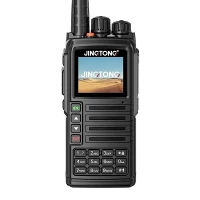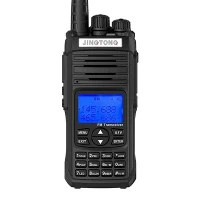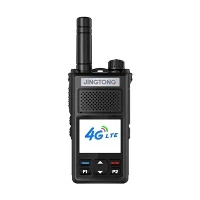

Using an analog radio in a foreign country can be a rewarding experience, whether you're a traveler, an expatriate, or involved in international business. As an analog radio supplier, I've seen firsthand the benefits and challenges that come with using these devices across different regions. In this blog post, I'll share some valuable insights on how to effectively use an analog radio in a foreign country.
Understanding the Regulatory Landscape
Before you even think about using an analog radio abroad, it's crucial to understand the local regulations. Different countries have varying rules regarding radio frequencies, licensing requirements, and usage restrictions. For example, some countries may require you to obtain a license to operate a radio, while others may have specific frequency bands allocated for different types of radio use.
To ensure compliance, I recommend doing thorough research on the regulations of the country you're visiting. You can start by checking the official websites of the local telecommunications or radio regulatory authorities. They usually provide detailed information on licensing procedures, frequency allocations, and any other relevant rules.
Selecting the Right Analog Radio
Once you have a clear understanding of the regulations, the next step is to choose the right analog radio for your needs. There are several types of analog radios available, each with its own features and capabilities.
- Portable Ham Radio: If you're interested in long - distance communication and amateur radio activities, a Portable Ham Radio is a great option. These radios offer a wide range of frequencies and can be used for both local and international communication. They are also relatively compact and easy to carry around, making them ideal for travelers.
- Walkie Talkie UHF VHF Portable Radio: For short - range communication, a Walkie Talkie UHF VHF Portable Radio is a popular choice. These radios are commonly used for group communication, such as in outdoor activities or business settings. They operate on UHF and VHF frequencies, which are suitable for line - of - sight communication over a few kilometers.
- Two Way Radio with UHF Frequency: If you need a more powerful and versatile radio for commercial or professional use, a Two Way Radio with UHF Frequency might be the right fit. These radios offer better penetration through obstacles and can cover a larger area compared to VHF radios. They are often used in industries such as security, construction, and transportation.
Frequency Considerations
One of the most important aspects of using an analog radio in a foreign country is understanding the local frequency bands. Different countries may have different frequency allocations for radio communication. For example, the frequency bands used for amateur radio in one country may not be available or may be restricted in another.
When selecting a radio, make sure it is capable of operating on the frequencies that are legal and available in the country you're visiting. Some radios come with a wide range of frequency options, allowing you to tune in to different bands. You may also need to adjust the frequency settings on your radio to match the local frequencies.
It's also a good idea to carry a frequency chart or a list of the local frequencies with you. This can be helpful in case you need to quickly find a suitable frequency for communication.
Antenna Setup
The antenna is a critical component of an analog radio, as it affects the range and quality of communication. In a foreign country, you may encounter different environmental conditions that can impact the performance of your antenna.
- Terrain: If you're in a mountainous or hilly area, the terrain can block the radio signals and reduce the range. In such cases, you may need to find a higher location to set up your antenna or use a more powerful antenna.
- Buildings and Obstacles: Urban areas with tall buildings can also cause signal interference. To overcome this, you can try adjusting the position and orientation of your antenna to find the best signal strength.
In general, a higher and more vertically oriented antenna will provide better performance. You may also consider using an external antenna if your radio allows it. This can significantly improve the range and signal quality, especially in challenging environments.
Battery Management
When using an analog radio in a foreign country, battery management is crucial. You may not always have easy access to a power source, especially if you're traveling or in a remote area.

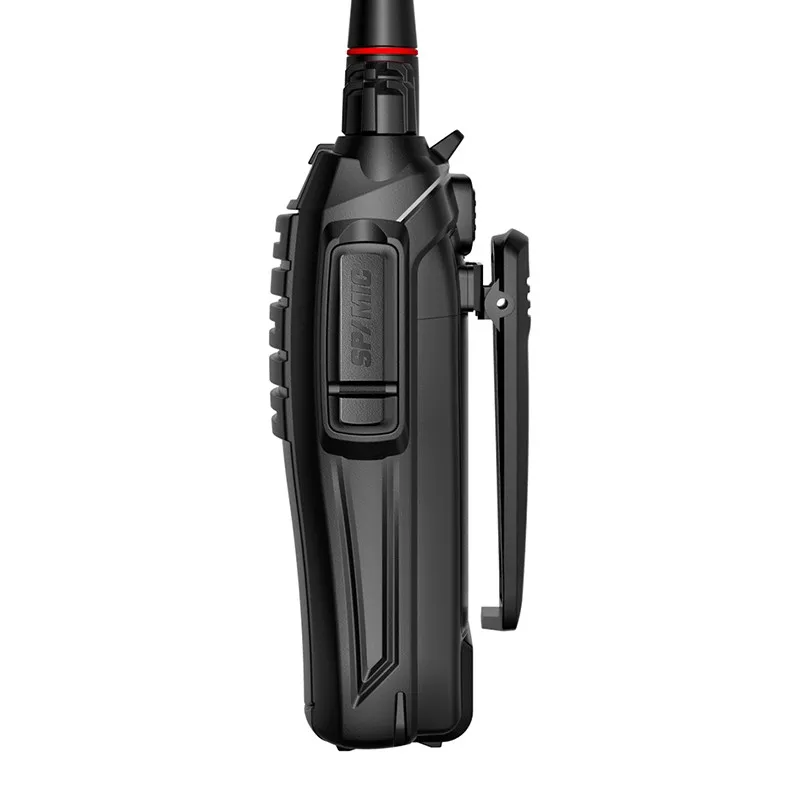
- Battery Type: Make sure you use the right type of batteries for your radio. Some radios use rechargeable batteries, while others use disposable batteries. If you're using rechargeable batteries, bring a charger and an appropriate power adapter for the country you're visiting.
- Battery Life: Check the battery life of your radio and plan accordingly. You may want to carry spare batteries or a portable charger to ensure that your radio stays operational throughout your trip.
Communication Etiquette
In addition to the technical aspects, it's important to follow proper communication etiquette when using an analog radio in a foreign country.
- Respect Local Customs: Different countries may have different communication norms and customs. For example, in some cultures, it may be considered rude to interrupt someone during a radio conversation. Make sure you understand and respect these customs to avoid any misunderstandings.
- Use Clear and Concise Language: When communicating on the radio, use clear and concise language. Avoid using jargon or slang that may not be understood by others. This will help ensure effective communication and prevent any confusion.
Troubleshooting
Even with careful planning, you may encounter some issues when using an analog radio in a foreign country. Here are some common problems and their solutions:
- Poor Signal Quality: If you're experiencing poor signal quality, check the antenna setup. Make sure the antenna is properly connected and oriented. You may also try moving to a different location to improve the signal.
- Interference: Interference can be caused by other radio signals, electrical devices, or environmental factors. Try changing the frequency or using a different channel to avoid interference.
- No Power: If your radio is not turning on, check the batteries. Make sure they are properly installed and have enough charge. If you're using a rechargeable battery, try charging it.
Conclusion
Using an analog radio in a foreign country can be a great way to stay connected, whether you're traveling, working, or engaging in outdoor activities. By understanding the local regulations, selecting the right radio, considering frequency and antenna setup, managing the battery, following communication etiquette, and being prepared to troubleshoot, you can ensure a smooth and successful experience.
If you're interested in purchasing high - quality analog radios for your international needs, we're here to help. Our team of experts can provide you with the right advice and products to meet your specific requirements. Contact us today to start a discussion about your analog radio procurement.
References
- International Telecommunication Union (ITU) Radio Regulations
- Local telecommunications and radio regulatory authorities of various countries