

Can an Analog VHF Radio be used for public safety communication?
Hey there! I'm an Analog VHF Radio supplier, and I get this question a lot. So, let's dig into whether an Analog VHF Radio can be used for public safety communication.
First off, let's talk about what Analog VHF Radios are. VHF stands for Very High Frequency, and these radios operate in the frequency range of 30 MHz to 300 MHz. Analog means that the radio signals are transmitted in a continuous wave form, as opposed to digital signals which are made up of discrete data packets.
One of the big advantages of Analog VHF Radios is their range. VHF signals can travel relatively long distances, especially in open areas. This is because VHF waves have a longer wavelength compared to UHF (Ultra High Frequency) waves. In fact, in line - of - sight conditions, an Analog VHF Radio can cover distances of up to 20 miles or more, depending on the power output and antenna. For public safety operations in large, open areas like rural regions or large parks, this long - range capability can be a real asset.
Another benefit is their simplicity. Analog VHF Radios are generally easier to use than their digital counterparts. There's no need to worry about complex programming or digital encryption keys. This simplicity means that they can be quickly deployed and used by personnel who may not have a lot of technical training. For example, in a local emergency situation where volunteers are helping with search and rescue, an Analog VHF Radio can be easily handed out and used without a steep learning curve.
Now, let's consider some of the challenges. One of the main issues with using Analog VHF Radios for public safety is interference. Since the signals are analog, they are more susceptible to interference from other radio signals, electrical equipment, and even natural phenomena like lightning. This interference can make it difficult to communicate clearly, which is a major problem in public safety situations where clear and reliable communication is crucial.
Also, as technology advances, many public safety agencies are moving towards digital communication systems. Digital radios offer features like better audio quality, encryption for secure communication, and the ability to transmit data such as text messages or location information. Analog VHF Radios lack these advanced features, which can put them at a disadvantage in modern public safety operations.
However, that doesn't mean Analog VHF Radios don't have a place in public safety. In some cases, they can be used as a backup or supplementary communication system. For example, if a digital communication network fails due to a power outage or a technical glitch, Analog VHF Radios can still be used to maintain communication. They can also be used in areas where digital infrastructure is not available or reliable.
Let's compare Analog VHF Radios with UHF Analog Radio. UHF radios operate in a higher frequency range (300 MHz to 3 GHz). While UHF signals have a shorter range compared to VHF, they are better at penetrating buildings and other obstacles. So, in urban areas where there are a lot of buildings, UHF radios might be a better choice for public safety communication. But in more open areas, Analog VHF Radios still have an edge.
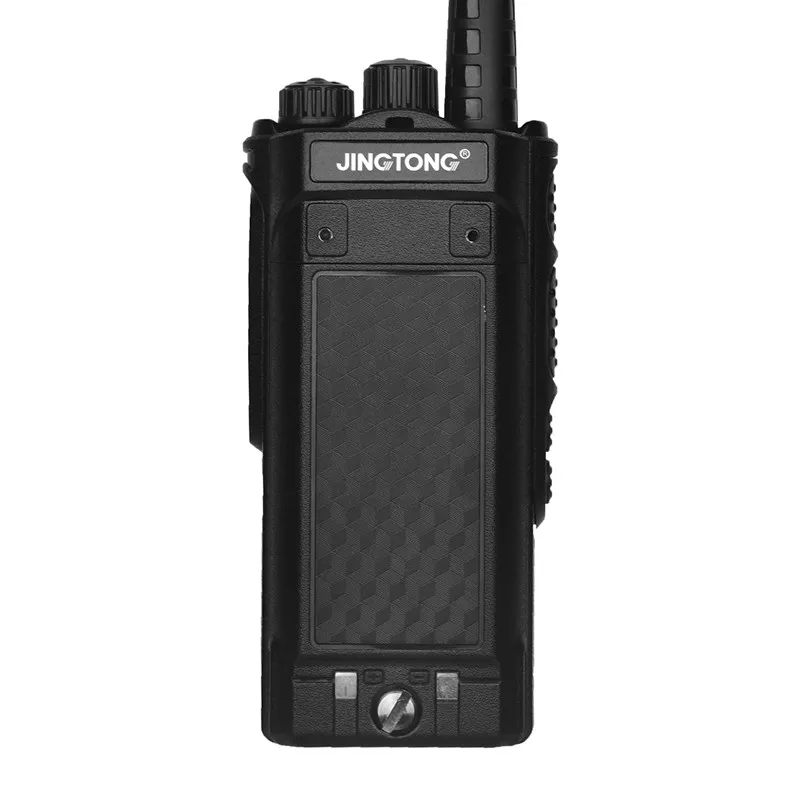
If you're looking for a powerful option, check out the Powerful Long Range Walkie Talkie Portable Radio. This radio combines the long - range capabilities of VHF with a decent power output, making it suitable for various public safety scenarios.
When it comes to cost, Analog VHF Radios are generally more affordable than digital radios. This can be a significant factor for smaller public safety agencies or organizations with limited budgets. They also have lower maintenance costs since they are less complex.
In conclusion, while Analog VHF Radios may not be the primary choice for modern public safety communication in all situations, they still have their uses. Their long - range capabilities, simplicity, and affordability make them a viable option, especially as a backup or in areas with limited digital infrastructure.
If you're in the market for an Analog VHF Radio for public safety or any other purpose, I'd love to have a chat with you. Whether you're a small local emergency response team or a large public safety agency, we can discuss your specific needs and find the right radio solution for you. Feel free to reach out and start the conversation about your potential purchase.

References
- FCC regulations on VHF and UHF radio frequencies
- Industry reports on public safety communication technologies


