

In the realm of emergency communication, the choice of reliable equipment is of utmost importance. One option that has stood the test of time is the analog VHF radio. As a supplier of analog VHF radios, I am often asked whether these devices can be effectively used for emergency communication. In this blog post, I will explore the capabilities of analog VHF radios in emergency situations, their advantages and limitations, and how they compare to other communication options.
Understanding Analog VHF Radios
Before delving into their emergency communication potential, it's essential to understand what analog VHF radios are. VHF stands for Very High Frequency, and these radios operate in the frequency range of 30 MHz to 300 MHz. Analog VHF radios transmit and receive signals in an analog format, which means the audio is transmitted as a continuous wave. This is in contrast to digital radios, which convert audio into a digital signal for transmission.
Analog VHF radios are known for their simplicity and reliability. They are relatively easy to use, making them accessible to a wide range of users, including those with limited technical knowledge. They also have a long history of use in various industries, such as marine, aviation, and public safety, which attests to their durability and effectiveness.
Advantages of Analog VHF Radios for Emergency Communication
One of the primary advantages of analog VHF radios in emergency communication is their wide coverage area. VHF signals can travel long distances, especially in open areas, making them suitable for communicating over large geographical regions. This is particularly important in emergency situations where it may be necessary to reach people in remote locations.
Another advantage is their simplicity. Analog VHF radios are straightforward to operate, with basic controls for transmitting and receiving signals. This makes them ideal for emergency situations where users may be under stress and need to communicate quickly and easily. Additionally, analog radios do not require a complex infrastructure or network to function, which means they can be used in areas with limited or no cellular coverage.
Analog VHF radios are also highly reliable. They are less susceptible to interference and signal degradation compared to digital radios, especially in areas with poor signal strength. This reliability is crucial in emergency situations where communication is essential for coordinating rescue efforts and providing critical information.
Limitations of Analog VHF Radios for Emergency Communication
While analog VHF radios have many advantages, they also have some limitations. One of the main limitations is their limited capacity for data transmission. Unlike digital radios, which can transmit data such as text messages, images, and GPS coordinates, analog VHF radios are primarily designed for voice communication. This can be a drawback in emergency situations where the ability to transmit data quickly and accurately is essential.
Another limitation is the potential for interference. VHF signals can be affected by various factors, such as terrain, weather conditions, and other radio signals. This can result in poor signal quality and make it difficult to communicate effectively. Additionally, analog VHF radios operate on a shared frequency band, which means there is a risk of interference from other users.
Comparing Analog VHF Radios to Other Communication Options
When considering emergency communication options, it's important to compare analog VHF radios to other alternatives, such as digital radios, cellular phones, and satellite phones. Digital radios offer several advantages over analog VHF radios, including better audio quality, increased data transmission capabilities, and improved security. However, they also require a more complex infrastructure and may be more expensive.
Cellular phones are widely used for communication, but they rely on a network of cell towers, which may be damaged or overloaded in emergency situations. This can result in dropped calls, slow data speeds, and limited coverage. Satellite phones, on the other hand, offer global coverage and are not affected by terrestrial infrastructure, but they can be expensive and may require a clear line of sight to the satellite.
Applications of Analog VHF Radios in Emergency Communication
Analog VHF radios have a wide range of applications in emergency communication. They are commonly used in marine environments, where they are essential for communicating with other vessels, shore stations, and emergency responders. VHF radios are also used in aviation, where they are used for air traffic control and communication between pilots and ground control.
In addition to marine and aviation applications, analog VHF radios are also used in public safety and emergency response. They are used by police, fire, and emergency medical services to communicate with each other and coordinate their efforts. VHF radios are also used in search and rescue operations, where they can be used to communicate with teams on the ground and in the air.
Choosing the Right Analog VHF Radio for Emergency Communication
When choosing an analog VHF radio for emergency communication, there are several factors to consider. These include the range of the radio, the power output, the number of channels, and the features and functions of the radio. It's also important to choose a radio that is reliable, easy to use, and meets the specific needs of your application.
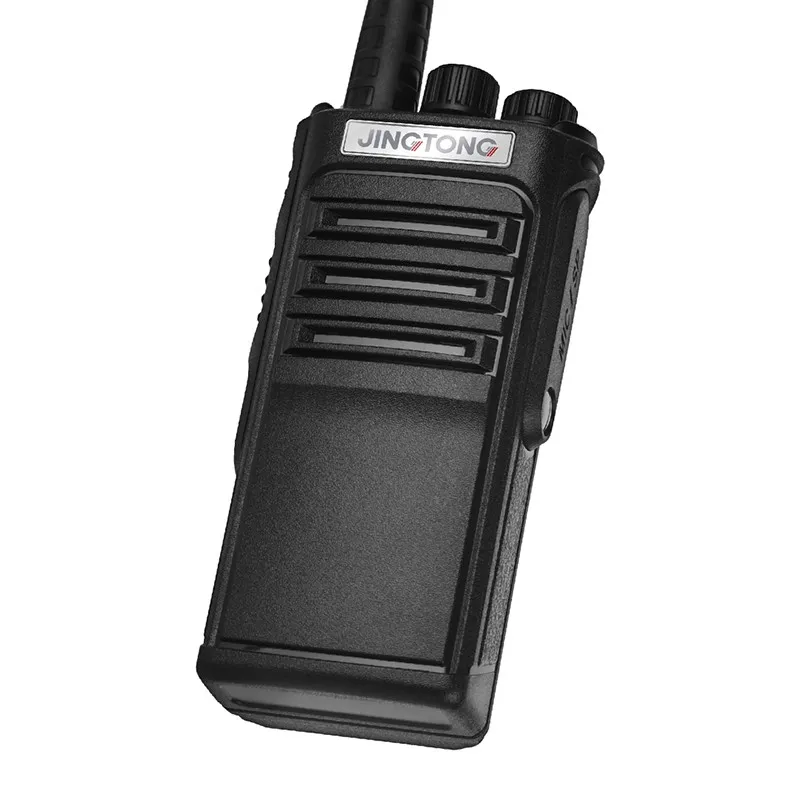

At [Supplier Name], we offer a wide range of analog VHF radios that are suitable for emergency communication. Our Powerful Long Range Walkie Talkie Portable Radio is a high-quality, long-range radio that is ideal for use in emergency situations. It has a powerful 10-watt output, a range of up to [X] miles, and a variety of features and functions, including weather alerts, scan mode, and privacy codes.
We also offer the UHF Analog Radio and the Two Way Radio with UHF Frequency, which are both designed for use in a variety of applications, including emergency communication. These radios offer excellent audio quality, a wide range of channels, and a variety of features and functions to meet the needs of our customers.
Conclusion
In conclusion, analog VHF radios can be an effective tool for emergency communication. They offer wide coverage, simplicity, reliability, and are suitable for a variety of applications. While they have some limitations, such as limited data transmission capabilities and potential for interference, they remain a popular choice for many users.
If you are in the market for an analog VHF radio for emergency communication, I encourage you to contact us to discuss your specific needs. Our team of experts can help you choose the right radio for your application and provide you with the support and training you need to use it effectively.
References
- [Title of Book], [Author], [Publisher], [Year]
- [Title of Journal Article], [Author], [Journal Name], [Volume], [Issue], [Year]
- [Title of Website], [Website URL], [Date Accessed]


