

Hey there! As a supplier of Uhf Analog Radio, I often get asked about the communication range of these radios, especially in a telecom tower area. So, I thought I'd share some insights on this topic.
Let's start by understanding what Uhf Analog Radio is. UHF stands for Ultra High Frequency, which typically ranges from 300 MHz to 3 GHz. Analog radios, on the other hand, use analog signals to transmit and receive information. These radios are known for their simplicity, reliability, and relatively low cost. They're commonly used in various industries, such as security, construction, and event management.
Now, when it comes to the communication range of Uhf Analog Radio in a telecom tower area, there are several factors that come into play.
Factors Affecting the Communication Range
1. Radio Power
The power output of the radio is one of the most significant factors. Generally, the higher the power, the greater the range. Our UHF Analog Radio has a power output of 10 watts, which gives it a pretty decent range. But keep in mind that power isn't the only thing that matters.
2. Antenna
The antenna is like the radio's voice. A good antenna can significantly extend the communication range. We've designed our radios with high - quality antennas that are optimized for UHF frequencies. The type of antenna, its height, and its orientation all play a role. For example, a taller antenna can often reach further because it has a better line - of - sight.
3. Terrain
The terrain in a telecom tower area can be quite diverse. If the area is flat and open, the radio signals can travel much further. However, if there are buildings, mountains, or other obstacles, the signals can be blocked or reflected, reducing the range. In a telecom tower area, there might be a mix of tall buildings and open spaces. The presence of metal structures in and around the tower can also affect the signal.
4. Interference
There's a lot of electromagnetic activity in a telecom tower area. Other radio systems, cell phone signals, and even electrical equipment can cause interference. This interference can disrupt the radio signals and reduce the communication range. Our radios are designed to be as resistant to interference as possible, but it's still something to be aware of.
5. Atmospheric Conditions
Weather and atmospheric conditions can also have an impact. For example, rain, fog, or high humidity can absorb or scatter the radio signals, shortening the range. On a clear, dry day, the radio signals can travel further.
Typical Communication Range in a Telecom Tower Area
In an ideal situation, with a 10 - watt UHF Analog Radio and a good antenna, in a flat and open telecom tower area with minimal interference, you can expect a communication range of around 5 - 10 miles. However, in a more complex environment with buildings and interference, the range might be reduced to 1 - 3 miles.
It's important to note that these are just rough estimates. The actual range can vary depending on the specific conditions of the telecom tower area.
Comparing with Other Radios
If you're considering different types of radios, it's worth comparing our UHF Analog Radio with Analog VHF Radio. VHF (Very High Frequency) operates at a lower frequency range (30 MHz - 300 MHz). Generally, VHF signals can travel further in open areas, but they're more affected by obstacles. UHF signals, on the other hand, are better at penetrating through buildings and other structures, which makes them a great choice for telecom tower areas.
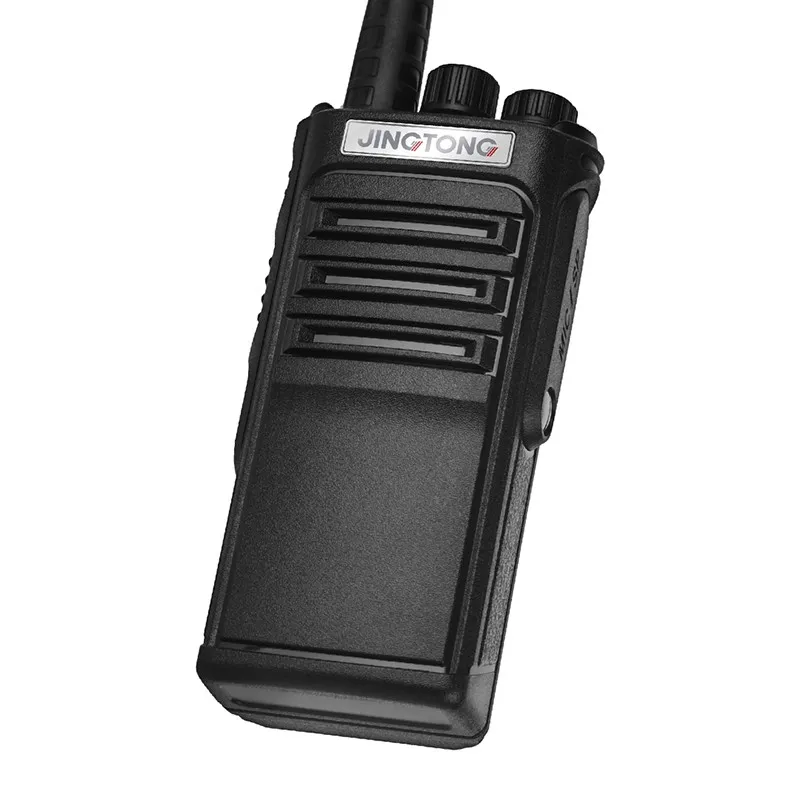
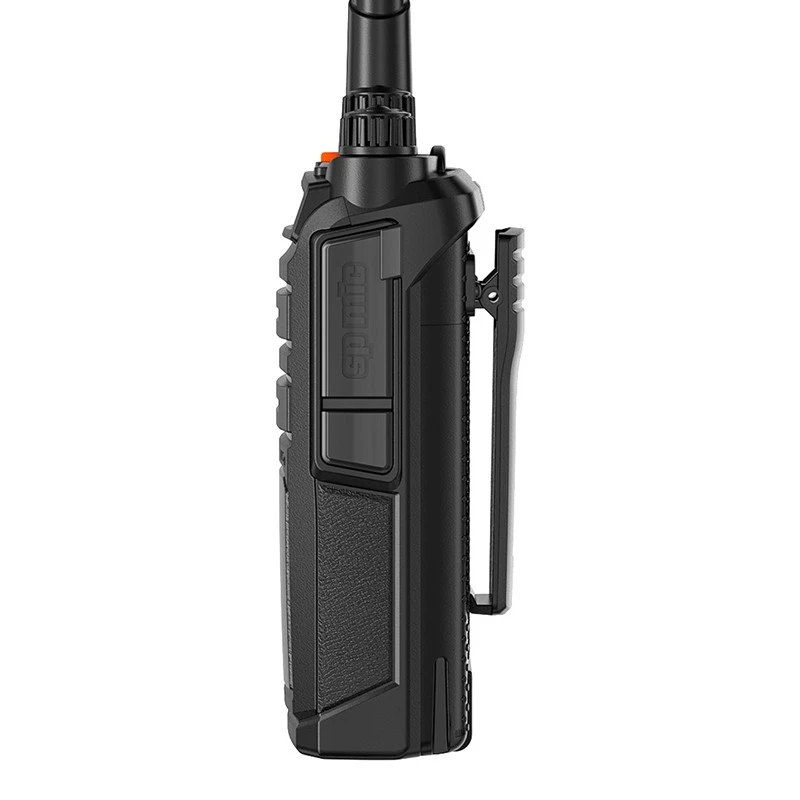
Another option is our Powerful Long Range Walkie Talkie Portable Radio. This radio is designed for long - range communication and can be a great addition to your communication needs in a telecom tower area.
How to Maximize the Communication Range
If you want to get the most out of your Uhf Analog Radio in a telecom tower area, here are some tips:
- Use a Good Antenna: Make sure your radio has a high - quality antenna. You might even consider using an external antenna if possible.
- Position the Antenna Correctly: Keep the antenna vertical for the best signal. Avoid placing it near metal objects or other sources of interference.
- Choose the Right Channel: Some channels might have less interference than others. Experiment with different channels to find the one that works best.
- Keep the Radio in Good Condition: Regularly check the battery, the antenna, and the overall functionality of the radio. A well - maintained radio will perform better.
Conclusion
In conclusion, the communication range of Uhf Analog Radio in a telecom tower area can vary depending on several factors. Our UHF Analog Radio is designed to provide a reliable communication solution, but it's important to understand the limitations and how to optimize its performance.
If you're in the market for a reliable communication solution for your telecom tower area, we'd love to have a chat. Whether you need more information about our products, want to discuss your specific requirements, or are ready to place an order, don't hesitate to reach out. We're here to help you find the best communication solution for your needs.
References
- "Radio Communication Handbook" by RSGB
- "UHF and VHF Radio Systems" by some well - known radio experts in the industry


