

In the dynamic and bustling environment of a zoo, effective communication is paramount. Whether it's coordinating animal care, ensuring visitor safety, or handling daily operations, seamless communication can make a significant difference. One question that often arises is whether analog walkie talkies can be used in a zoo. As a supplier of high - quality analog walkie talkies, I am here to explore this topic in detail.
Advantages of Analog Walkie Talkies in a Zoo
Cost - effectiveness
One of the primary advantages of analog walkie talkies is their cost - effectiveness. For zoos, which often operate on tight budgets, analog walkie talkies offer a more affordable communication solution compared to digital alternatives. They have a lower upfront cost, and the ongoing expenses, such as licensing fees, are generally minimal. This allows zoos to equip their staff with communication devices without breaking the bank. For example, a small - to - medium - sized zoo can purchase a set of Analog 2 Way Radio at a relatively low cost, enabling effective communication among keepers, security personnel, and administrative staff.
Simplicity of Use
Analog walkie talkies are known for their simplicity. They have straightforward controls that are easy to understand, even for those with limited technical knowledge. In a zoo setting, where staff members may have diverse backgrounds and varying levels of technological proficiency, this simplicity is a significant advantage. Keepers can quickly learn to use the walkie talkies to communicate about animal feeding schedules, health concerns, or enclosure maintenance. The ease of use also means that new employees can be trained to use the devices in a short period, minimizing downtime and ensuring continuous communication.
Wide - area Coverage
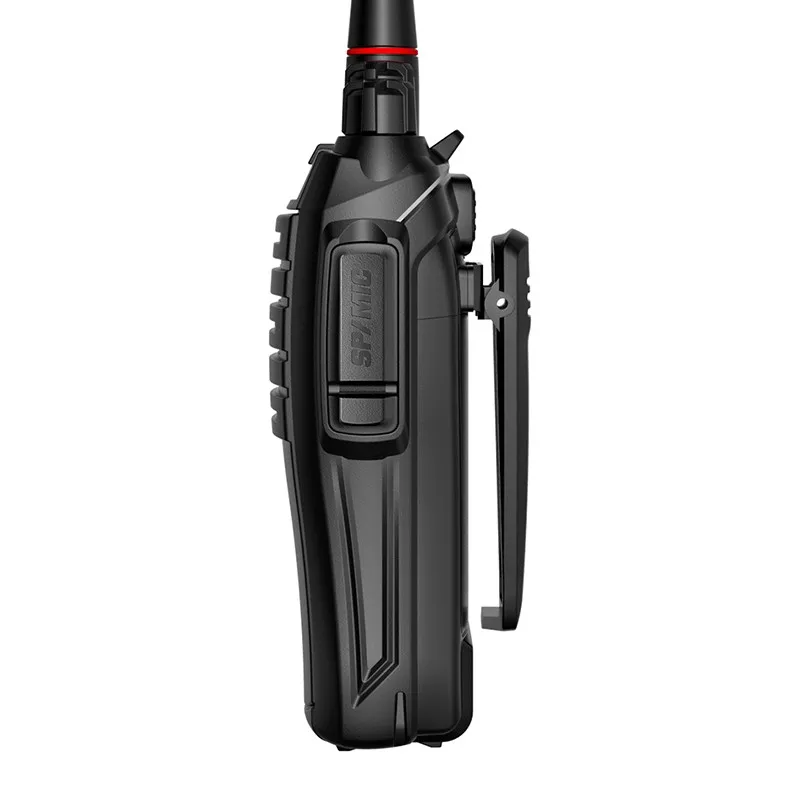
Zoos typically cover large areas, with different exhibits, enclosures, and administrative buildings spread out. Analog walkie talkies can provide wide - area coverage, allowing staff to communicate across the entire zoo premises. The range of these devices can vary depending on factors such as terrain, interference, and the power output of the walkie talkies. For example, Walkie Talkie UHF VHF Portable Radio can offer a decent range that is suitable for most zoo environments. This wide - area coverage ensures that staff members can stay in touch regardless of their location within the zoo.
Durability
The environment in a zoo can be harsh, with exposure to various weather conditions, dust, and potential physical impacts. Analog walkie talkies are generally more durable than their digital counterparts. They are built to withstand rough handling and can operate in challenging conditions. This durability is crucial in a zoo, where the devices may be carried around by keepers during their daily rounds or used by security personnel in outdoor patrols. A durable walkie talkie can ensure reliable communication even in adverse circumstances.
Challenges of Using Analog Walkie Talkies in a Zoo
Limited Privacy
One of the main drawbacks of analog walkie talkies is the limited privacy of communication. Since analog signals are broadcast openly, it is possible for others within range to listen in on conversations. In a zoo, where sensitive information about animal health, security measures, or visitor management may be discussed, this lack of privacy can be a concern. However, this can be mitigated to some extent by using proper communication protocols and ensuring that conversations are kept as brief and non - sensitive as possible.
Interference
Analog walkie talkies are more susceptible to interference compared to digital devices. In a zoo, there may be various sources of interference, such as electrical equipment, radio signals from nearby areas, or even natural phenomena like lightning. Interference can cause static, garbled messages, or dropped calls, which can disrupt communication. To minimize interference, zoos can choose walkie talkies with features like noise - cancelling technology and operate on less congested frequency bands.
Limited Features
Compared to digital walkie talkies, analog devices have limited features. They may not offer advanced functions such as text messaging, GPS tracking, or group calling. In a zoo, these features could be beneficial for tasks such as tracking the location of staff members during an emergency or sending important announcements to multiple groups simultaneously. However, for basic communication needs, the simplicity of analog walkie talkies can still be sufficient.
Best Practices for Using Analog Walkie Talkies in a Zoo
Frequency Management
To avoid interference and ensure clear communication, zoos should carefully manage the frequencies used by their analog walkie talkies. They can work with local regulatory authorities to obtain the appropriate frequency licenses and select frequencies that are less prone to interference. Additionally, they should establish a system for assigning frequencies to different departments or groups within the zoo to prevent cross - talk.

Training and Communication Protocols
Proper training is essential for using analog walkie talkies effectively in a zoo. Staff members should be trained on how to use the devices correctly, including how to transmit and receive messages, adjust volume, and troubleshoot common issues. In addition, clear communication protocols should be established. For example, staff should be taught to use specific codes or phrases to convey information quickly and accurately. This can help streamline communication and ensure that important messages are understood.
Regular Maintenance
To keep the analog walkie talkies in good working condition, regular maintenance is necessary. This includes checking the batteries, antennas, and other components for damage or wear. Zoos should also have a system in place for replacing faulty devices promptly. By maintaining the walkie talkies, zoos can ensure reliable communication and minimize downtime.
Conclusion
In conclusion, analog walkie talkies can be a viable communication solution for zoos. Their cost - effectiveness, simplicity of use, wide - area coverage, and durability make them a practical choice for many zoo operations. However, they also come with some challenges, such as limited privacy, interference, and limited features. By implementing best practices such as frequency management, training, and regular maintenance, zoos can overcome these challenges and make the most of analog walkie talkies.
If you are a zoo looking for a reliable communication solution, our Best 2 Way Radios for Business can meet your needs. Our analog walkie talkies are designed to provide clear and reliable communication in various environments, including zoos. We are committed to providing high - quality products and excellent customer service. If you are interested in learning more about our analog walkie talkies or discussing your specific requirements, please feel free to contact us. We look forward to the opportunity to work with you and help improve communication in your zoo.
References
- Communication Technology in Zoos: A Comparative Analysis of Analog and Digital Solutions. Journal of Zoo Management.
- Best Practices for Using Walkie Talkies in Outdoor Environments. Outdoor Communication Research Institute.


