

Can an Analog VHF Radio be used for communication in a mine?
Hey there! I'm a supplier of Analog VHF Radios, and I often get asked if these radios can be used for communication in mines. Well, let's dig into this topic and find out.
First off, let's understand what an Analog VHF Radio is. VHF stands for Very High Frequency, and these radios operate in the frequency range of 30 MHz to 300 MHz. They're pretty common and have been around for a long time. I've been in the business of supplying Analog VHF Radio for a while now, and I've seen their versatility in various settings.
Now, when it comes to mines, communication is crucial. Miners need to stay in touch with each other for safety reasons, to coordinate operations, and to report any issues. So, can an Analog VHF Radio do the job?
One of the main advantages of Analog VHF Radios is their range. In open areas, they can cover a decent distance. However, mines are a whole different ballgame. The underground environment is full of obstacles like rock formations, tunnels, and machinery. These can significantly affect the radio signal. VHF signals tend to travel in a relatively straight line, and they can be easily blocked by solid objects. So, in a mine, the range of an Analog VHF Radio might be limited.
But that doesn't mean they're completely useless. In some smaller mines or areas within a mine where the layout is less complex, Analog VHF Radios can still work. For example, if the miners are working in a relatively open tunnel or a small chamber, the radio signals might be able to reach each other.
Another factor to consider is the interference. Mines are full of electrical equipment, which can generate electromagnetic interference. This interference can disrupt the radio signals and make communication difficult. Analog VHF Radios are more susceptible to interference compared to some other types of radios. However, with proper shielding and signal processing, we can minimize the impact of interference.
Now, let's talk about some alternatives. There are Two Way Radio with UHF Frequency and UHF Analog Radio. UHF (Ultra High Frequency) radios operate in the frequency range of 300 MHz to 3 GHz. UHF signals have a shorter wavelength, which means they can penetrate obstacles better than VHF signals. So, in a mine, UHF radios might have an advantage in terms of signal propagation.
However, UHF radios also have their limitations. They generally have a shorter range compared to VHF radios in open areas. And they can be more expensive. So, it really depends on the specific needs of the mine.
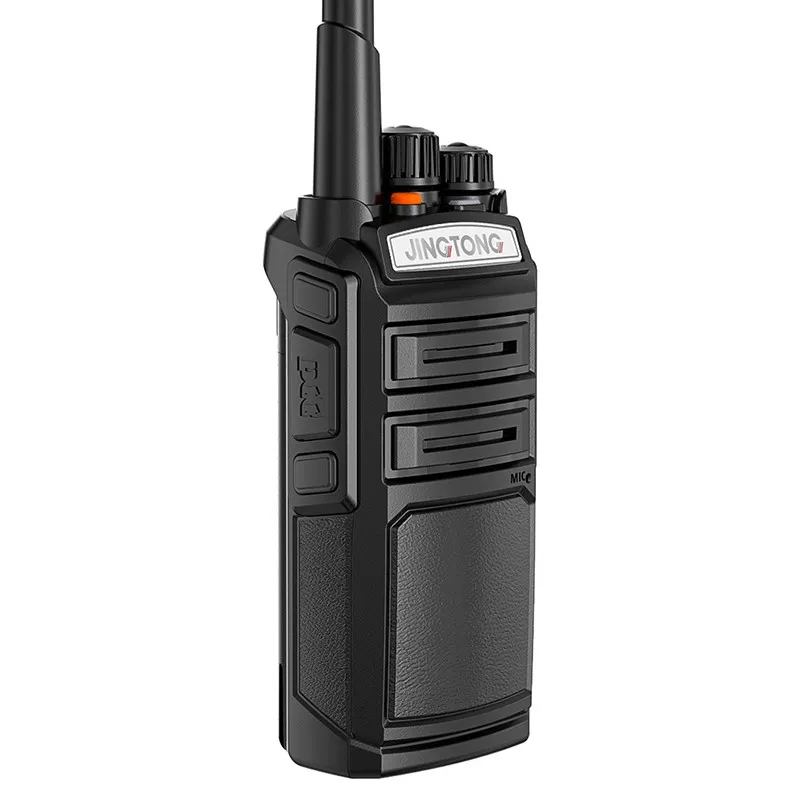

In some cases, a combination of Analog VHF Radios and UHF radios might be the best solution. For example, VHF radios can be used for communication in areas where the signal can travel relatively freely, while UHF radios can be used in areas with more obstacles.
If you're in the mining industry and you're considering using radios for communication, it's important to do a site survey. This will help you understand the specific conditions in your mine and determine the best type of radio for your needs.
We, as a supplier of Analog VHF Radios, have a lot of experience in this field. We can provide you with the right equipment and advice to ensure effective communication in your mine. If you're interested in learning more about our products or discussing your specific requirements, feel free to reach out. We're here to help you make the best decision for your operation.
In conclusion, while Analog VHF Radios have their limitations in a mine, they can still be a viable option in certain situations. It's all about understanding the environment and choosing the right radio for the job.
References
- "Radio Communication in Mines: A Technical Overview" - Journal of Mining Technology
- "Comparing VHF and UHF Radio Performance in Underground Environments" - International Journal of Mining Communications


